Stamped Concrete
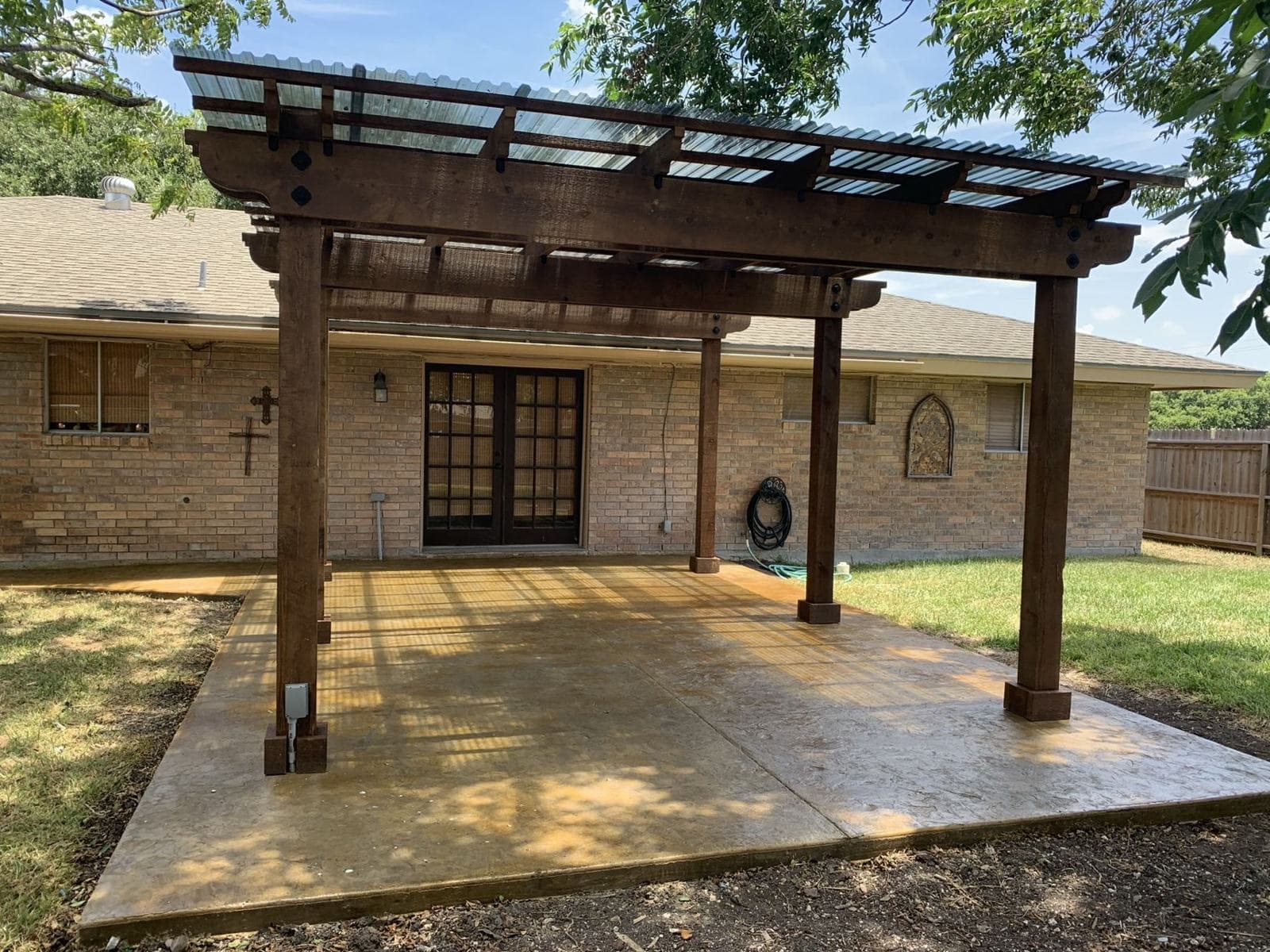
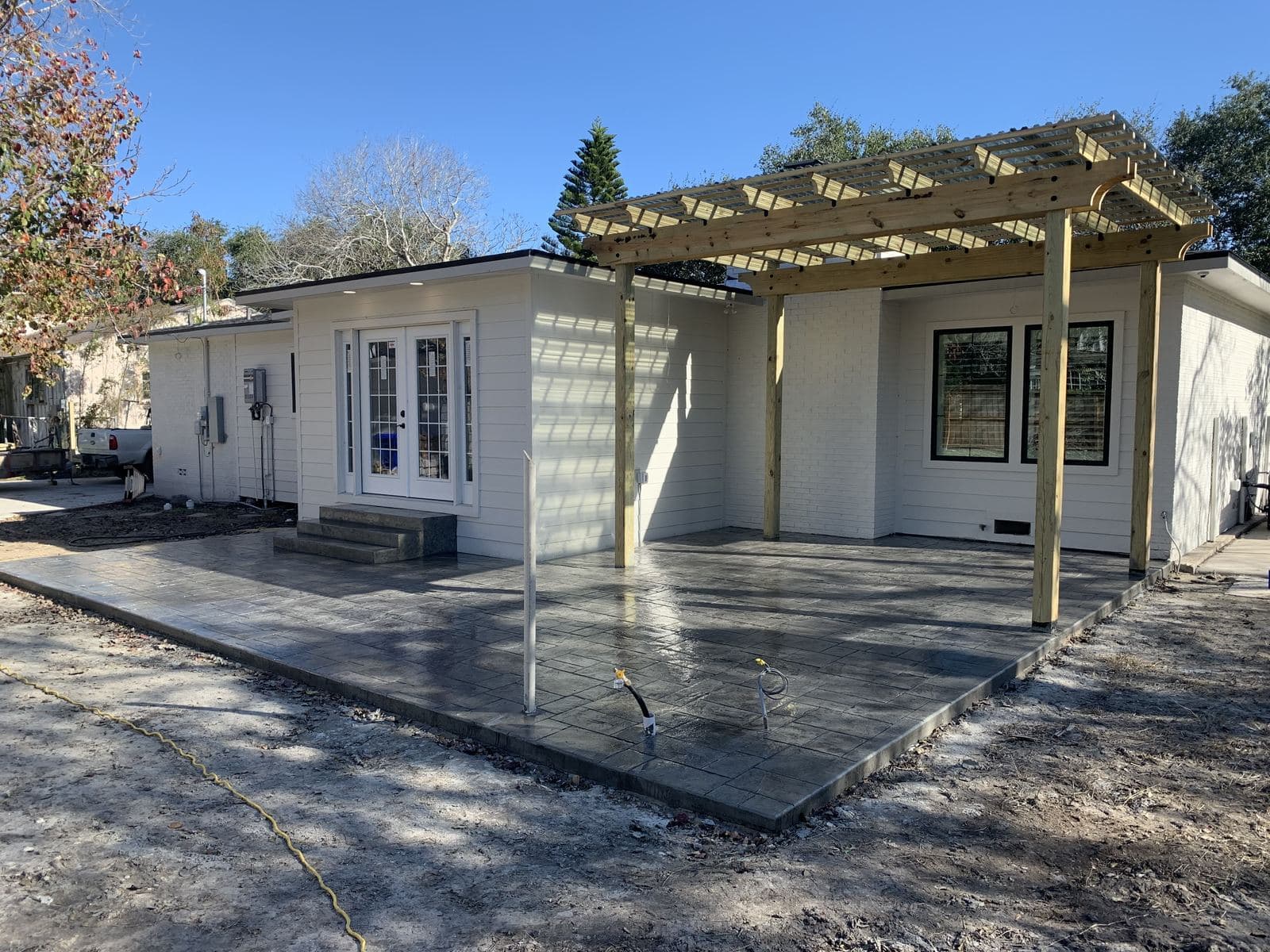
Stamped concrete patios, walkways and driveways
The look of flagstone, slate, brick or hand-laid pavers — poured as one solid slab, so there are no joints to weed, no pavers to sink and nothing to re-level in five years.
Why homeowners pick Keen for this
One pour, not a thousand pieces
Stamped concrete is a single reinforced slab. Pavers settle and sprout weeds between them; a stamped patio stays flat and stays put.
Your pattern, your color
Pick the stamp and the color at the kitchen table. We carry the Brickform and Interstar color decks and can hand-antique the grout lines to match your stone or brick.
Sealed for the Gulf Coast
We finish with a sealer chosen for salt air and Texas sun, and we hand you a care sheet telling you exactly when to re-seal.
Patterns we pour most
These are stamps we run regularly here on the Coastal Bend. If you have a photo of something else, bring it — most patterns can be ordered in.
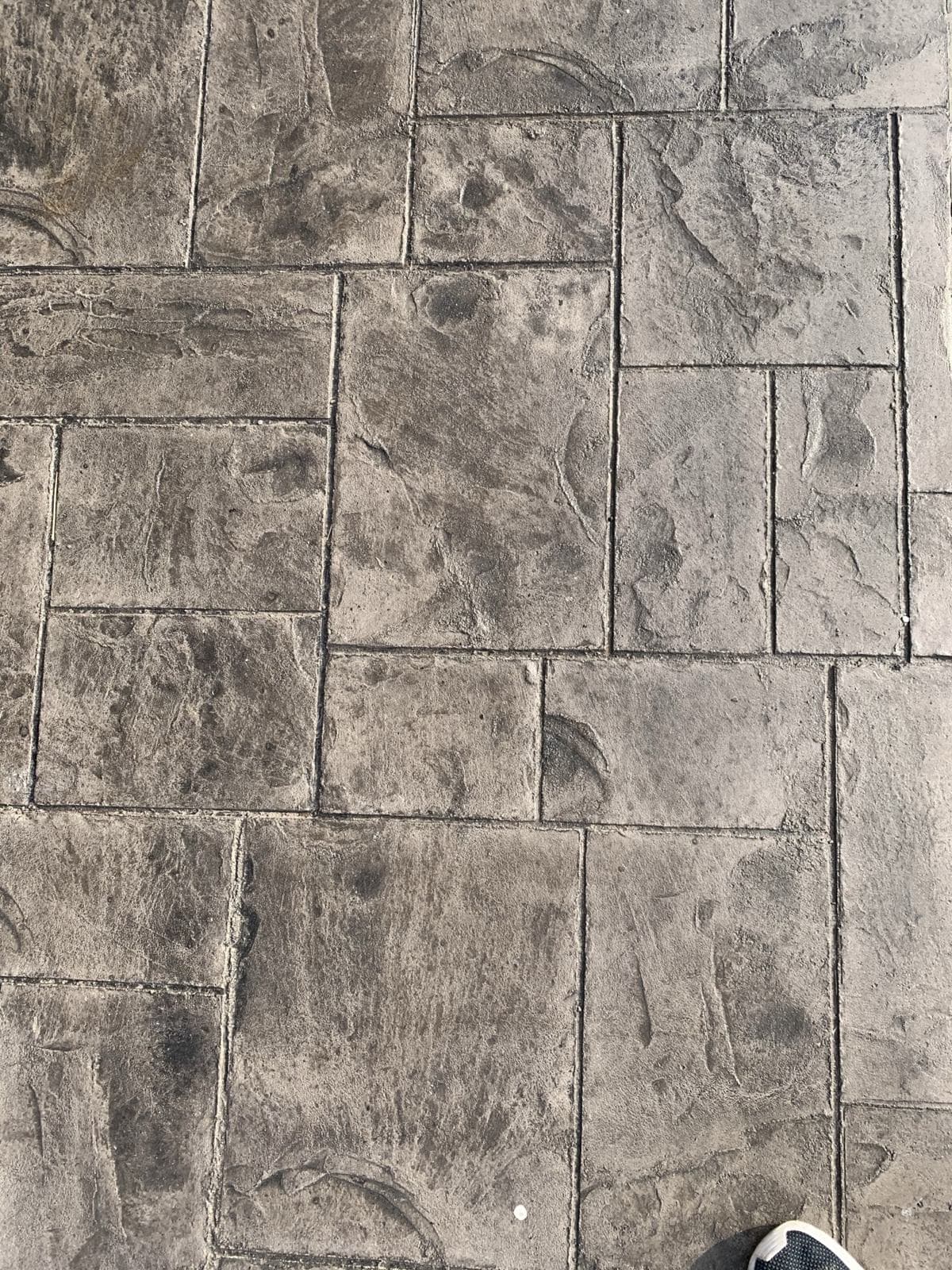
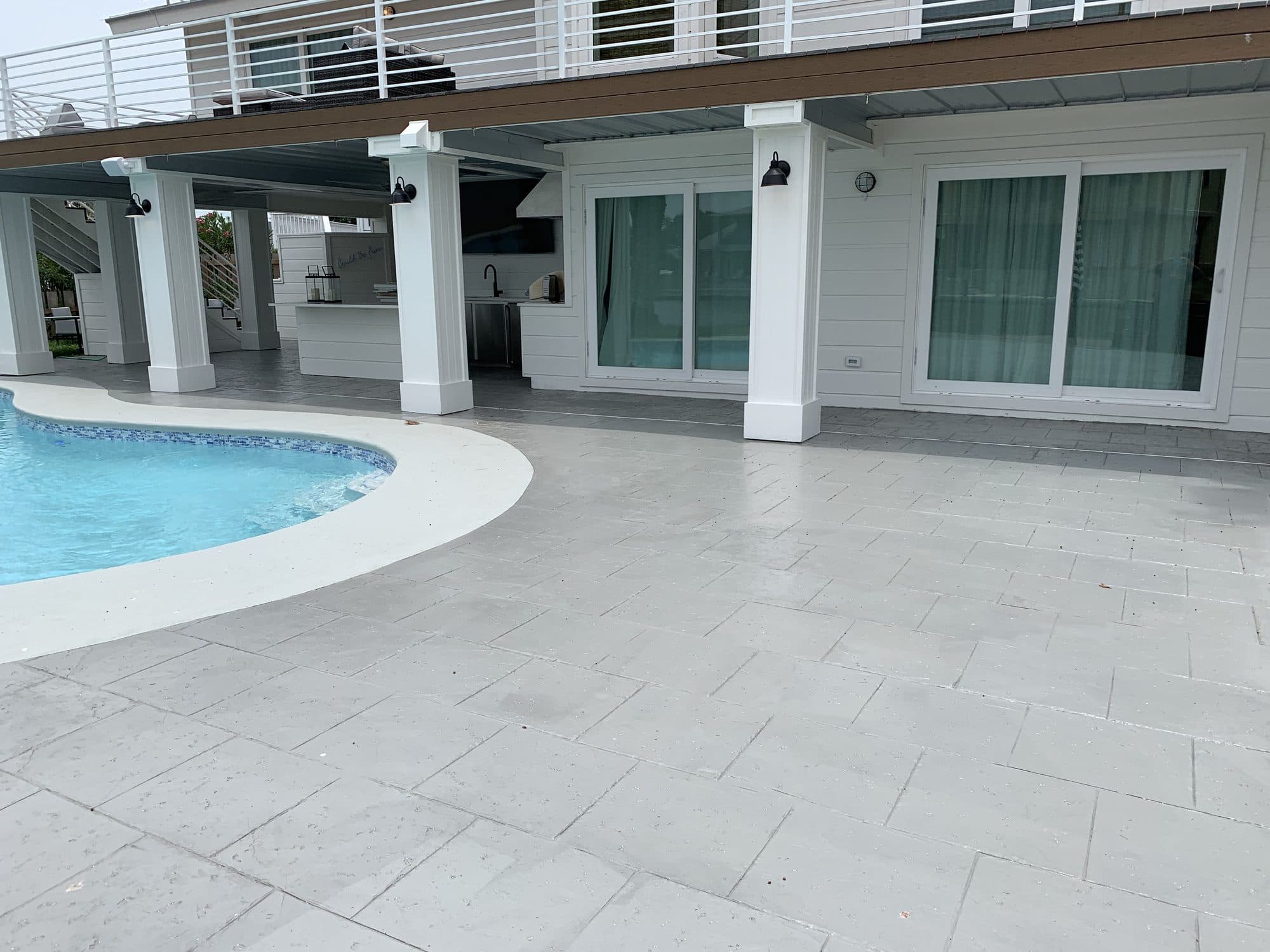
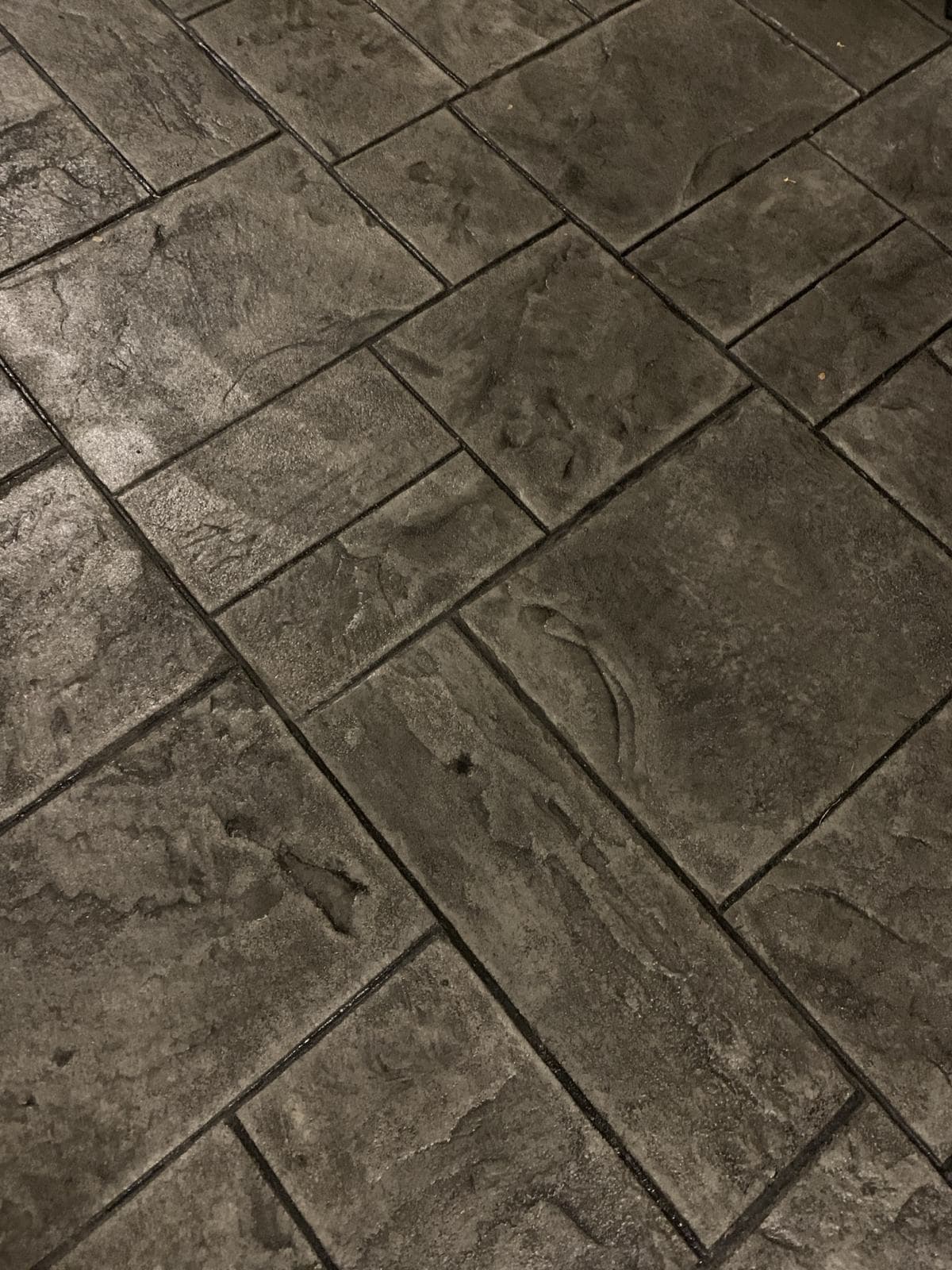
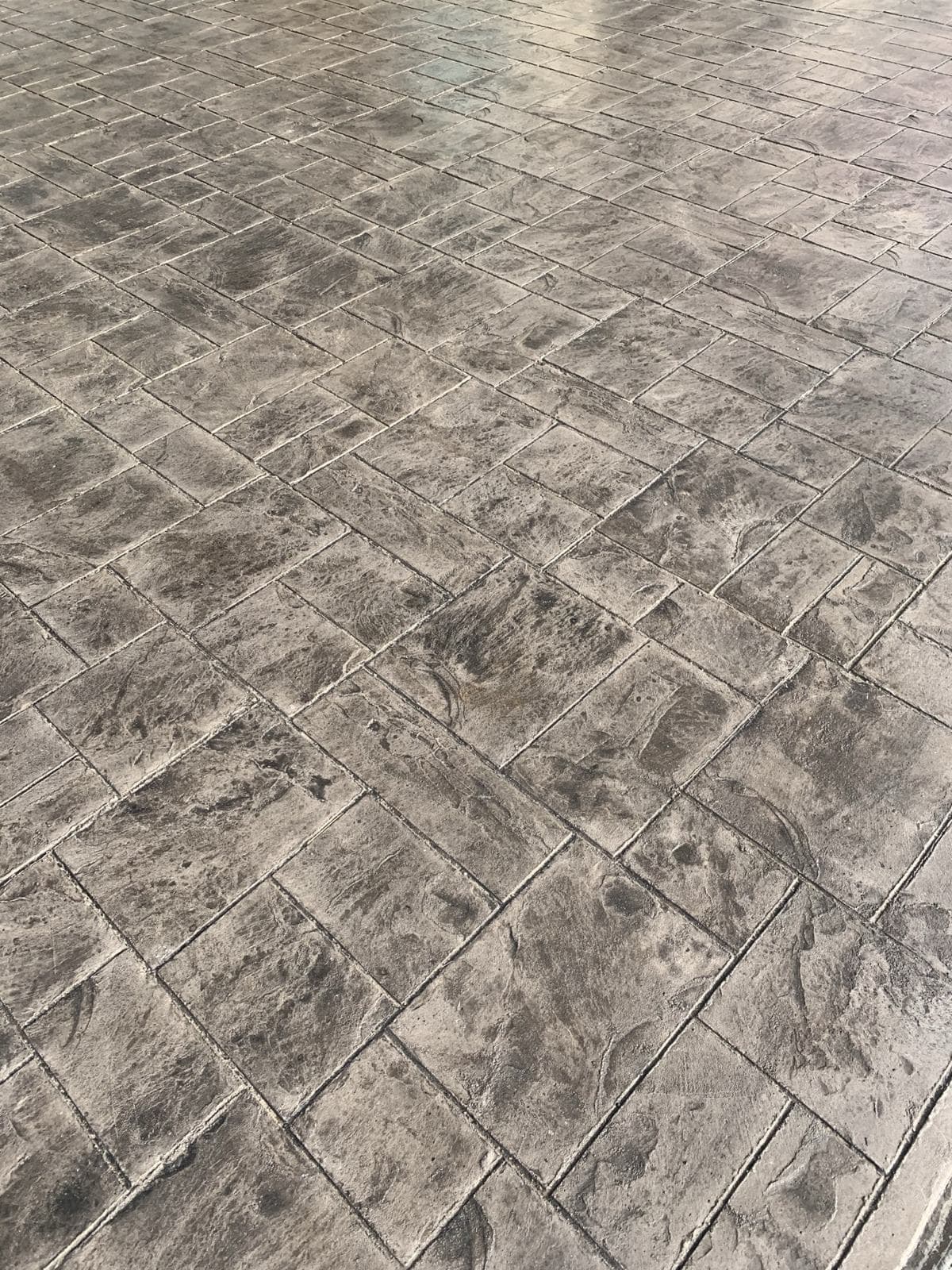
Ashlar slate
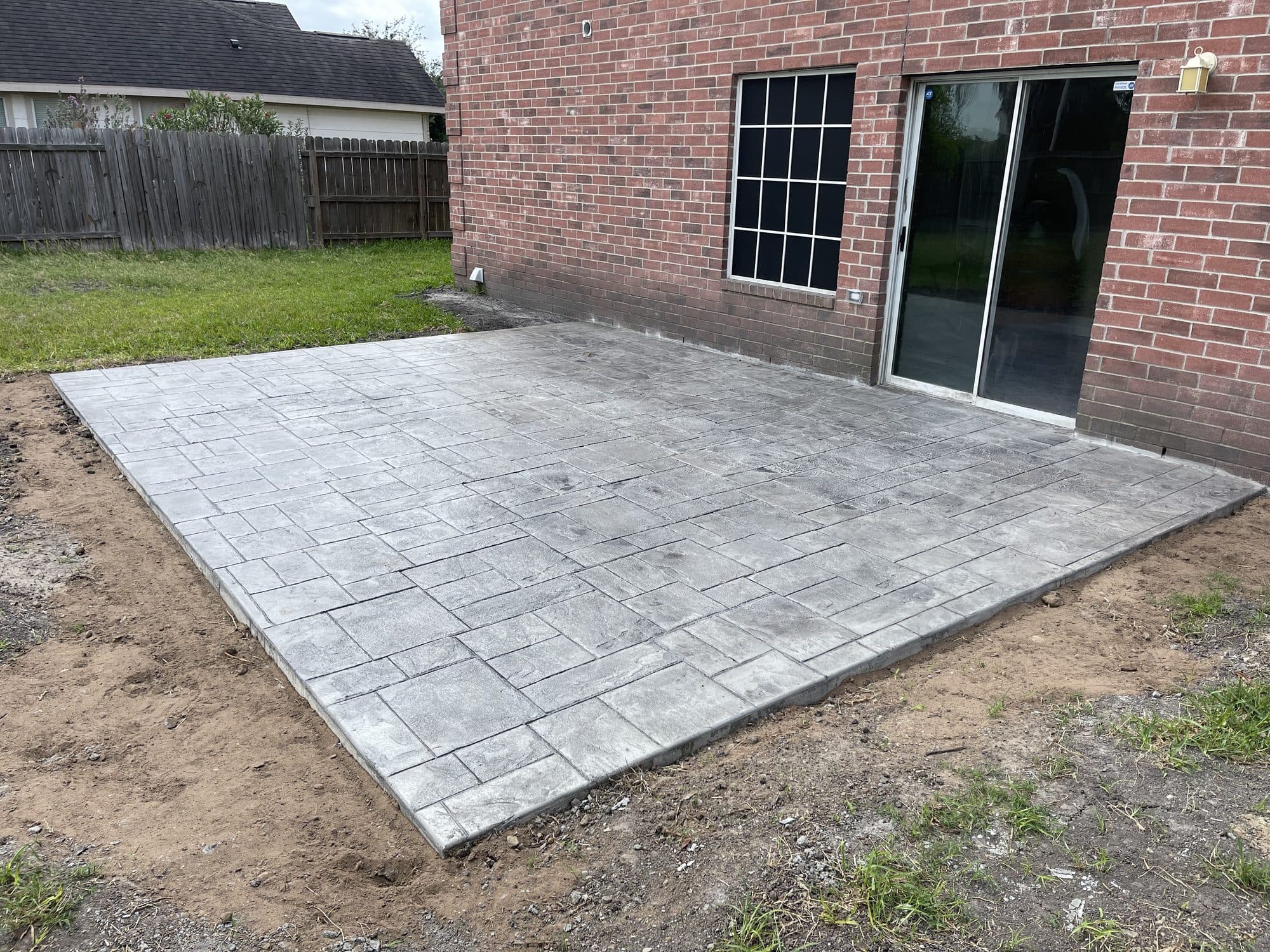
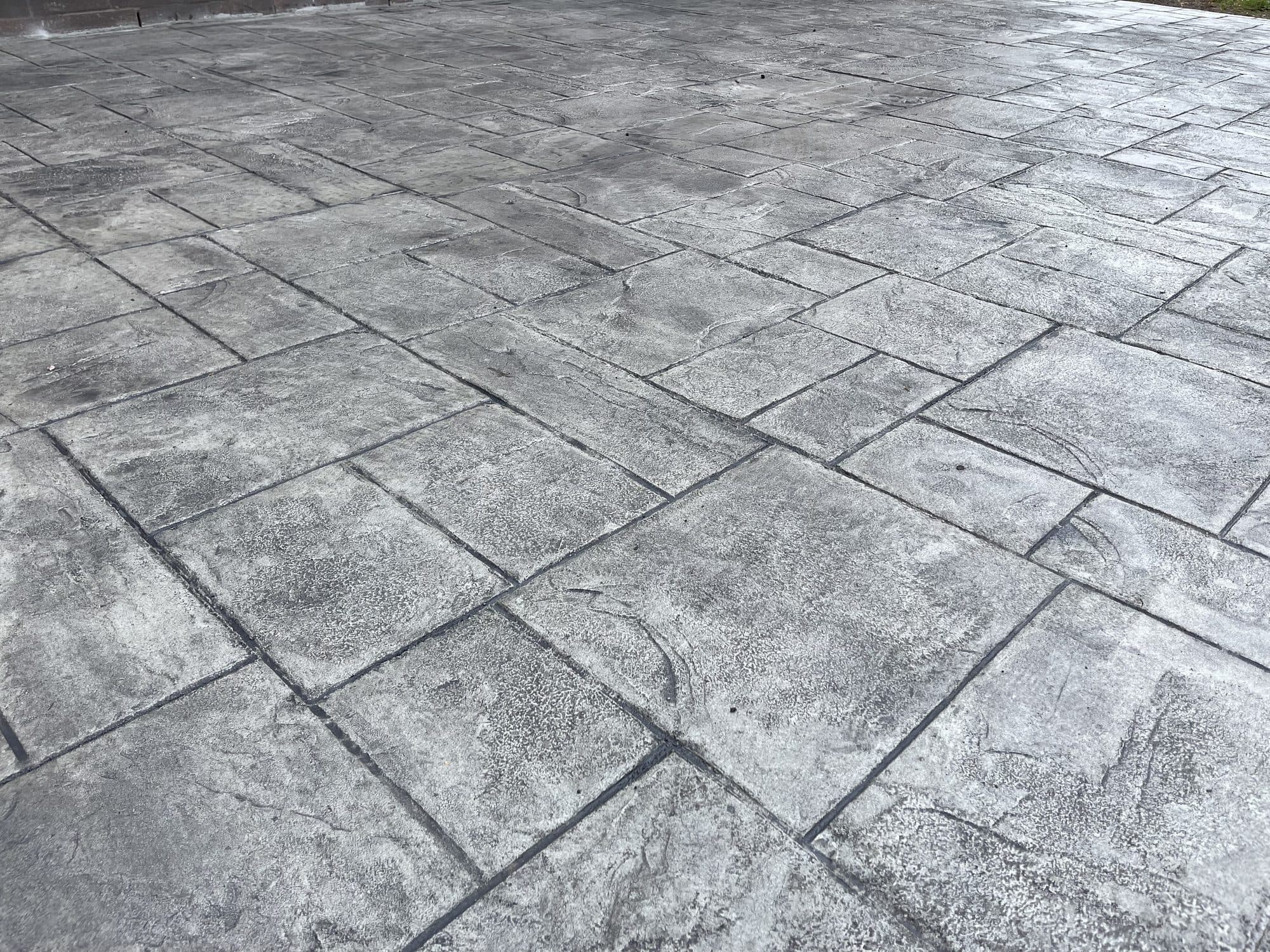
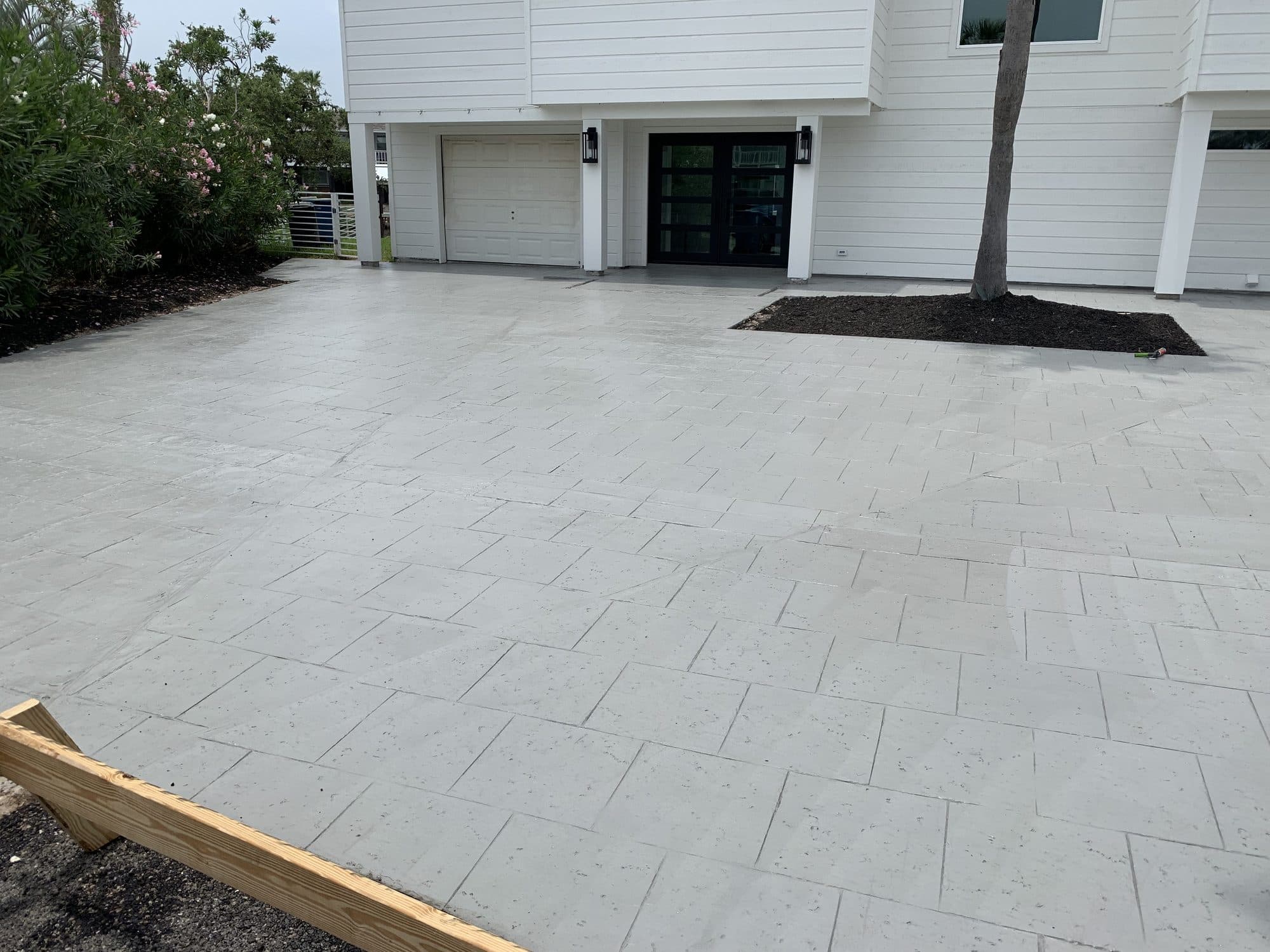
Cut-stone rectangles. The most requested pattern for patios — formal enough for a front entry, easy on the eyes over a big area.
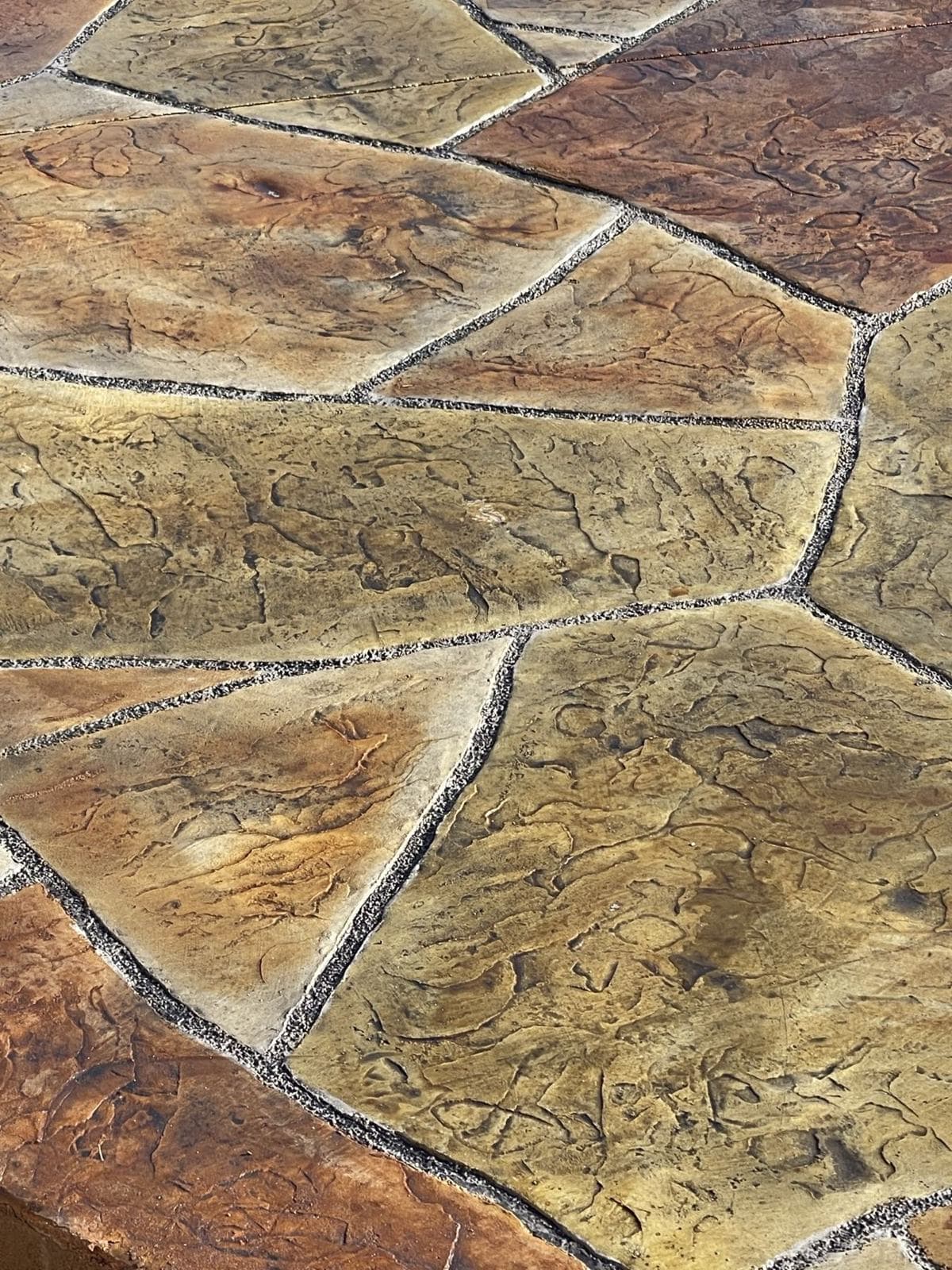
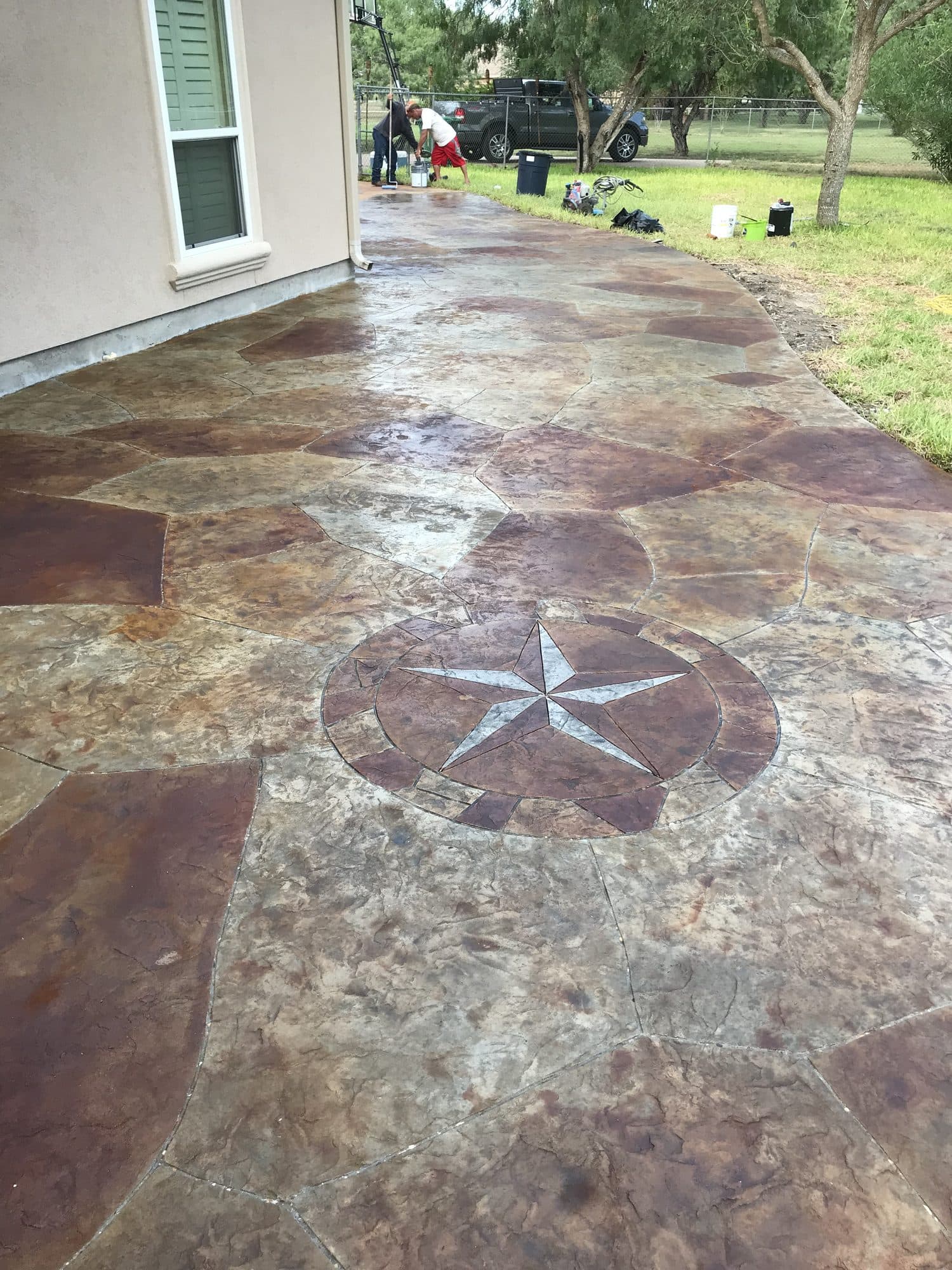
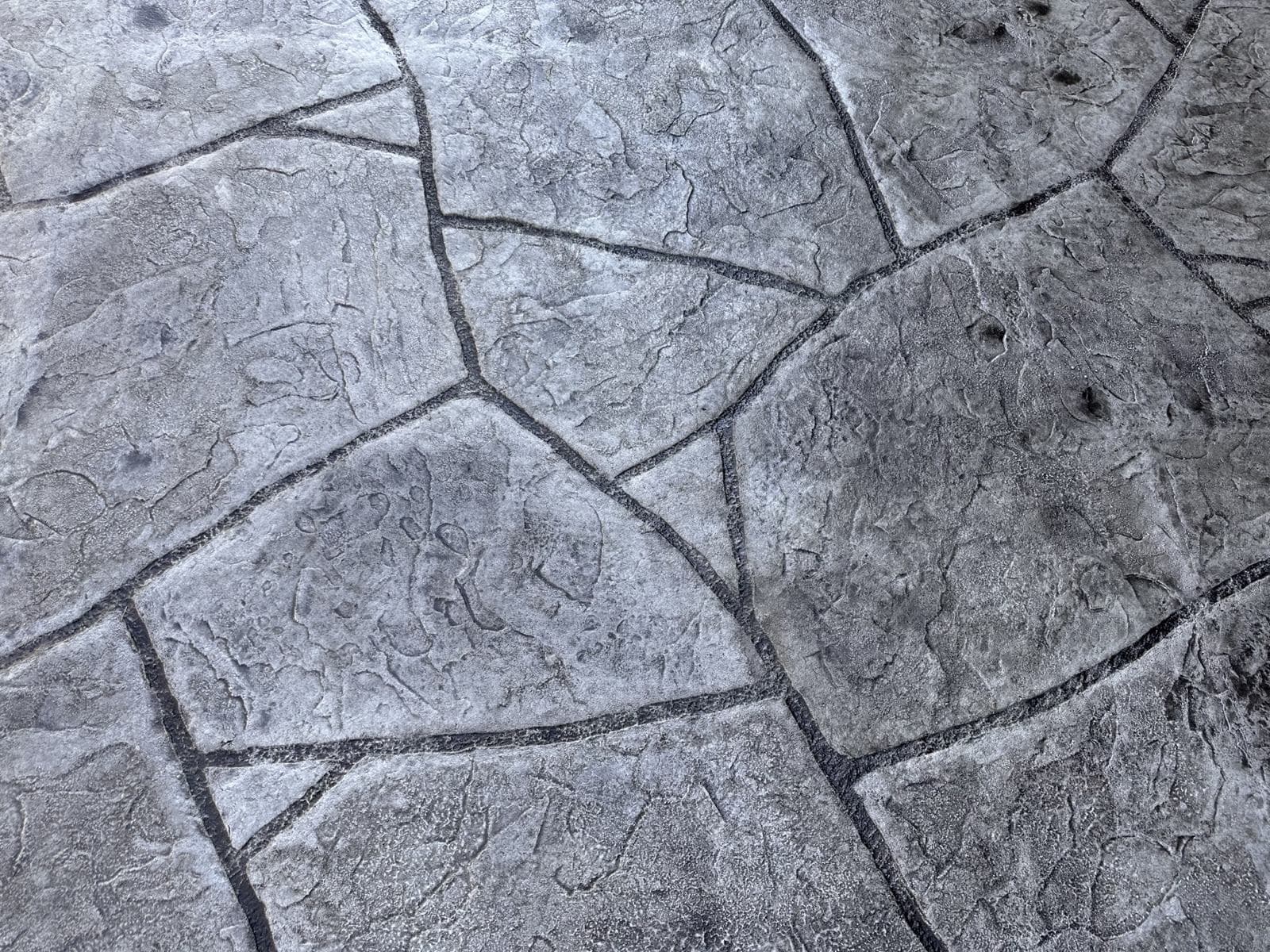
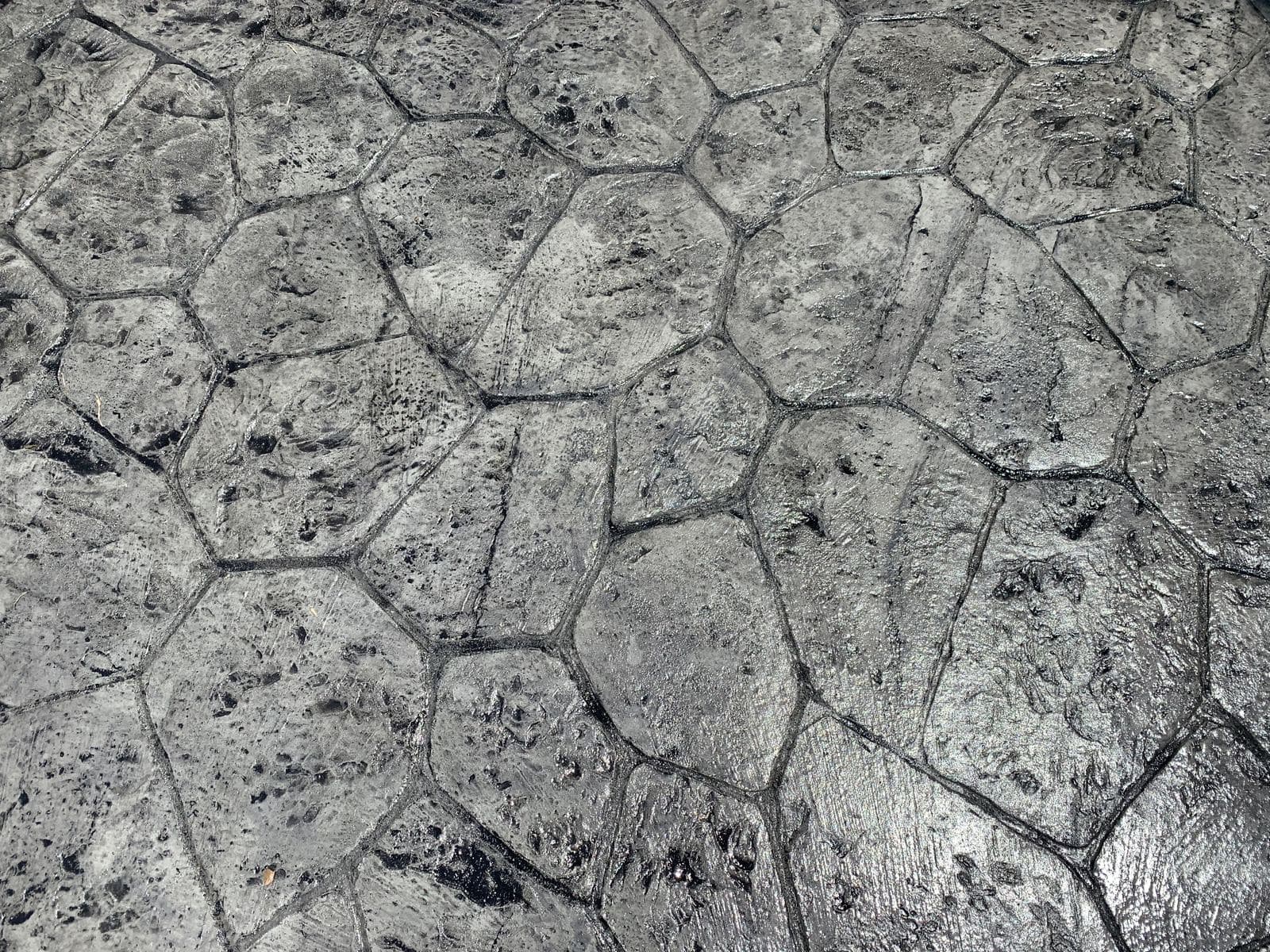
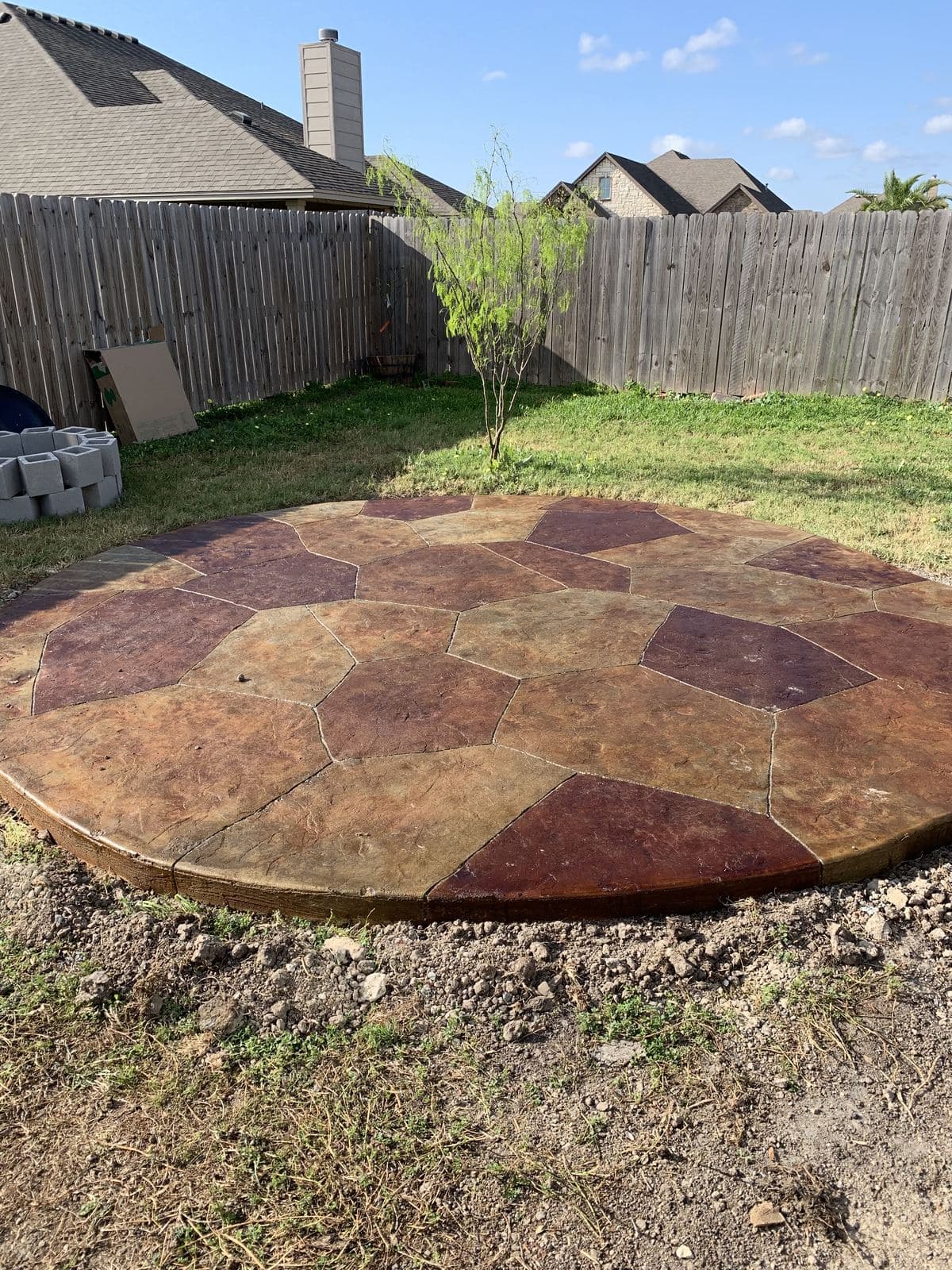
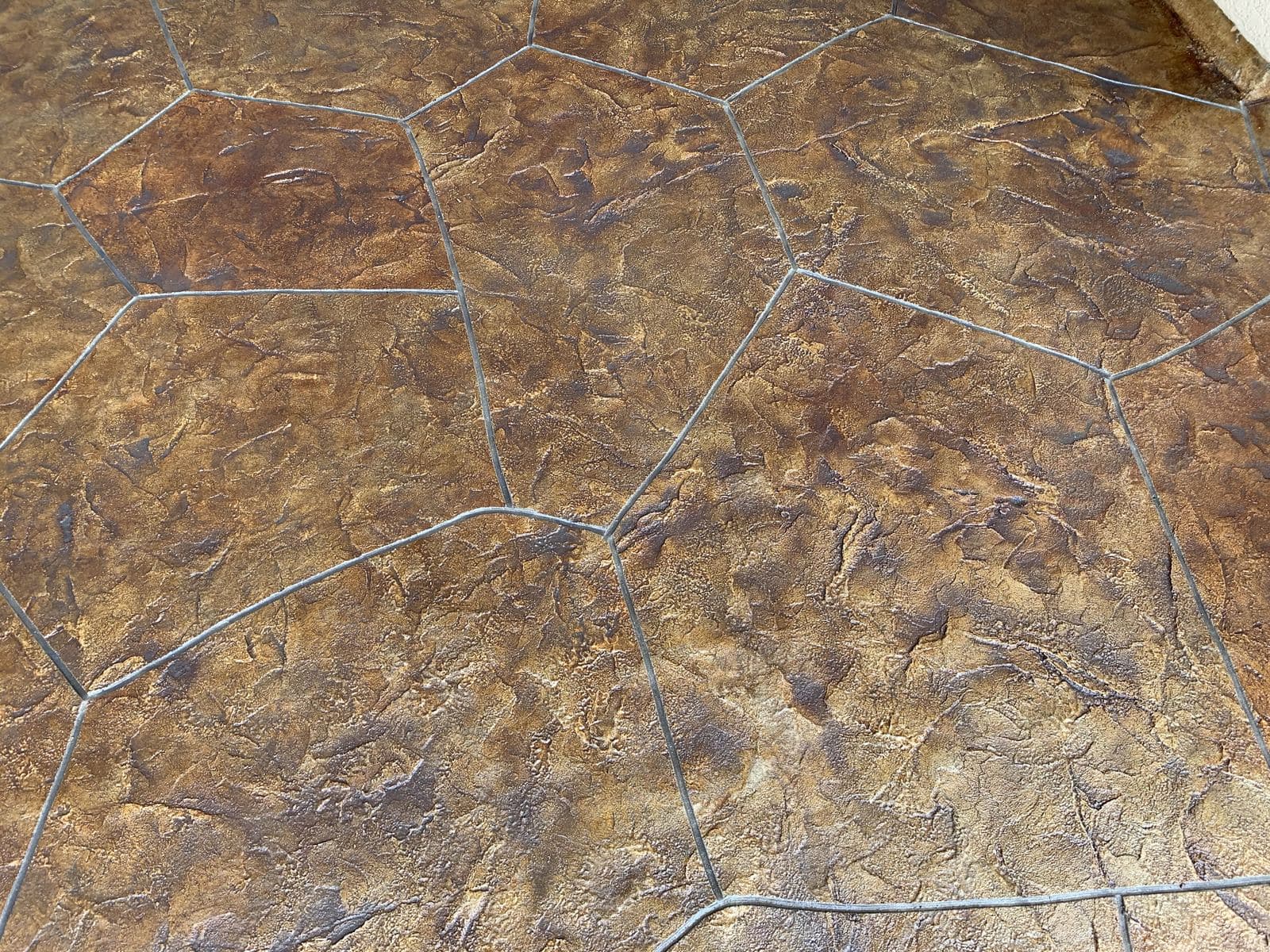
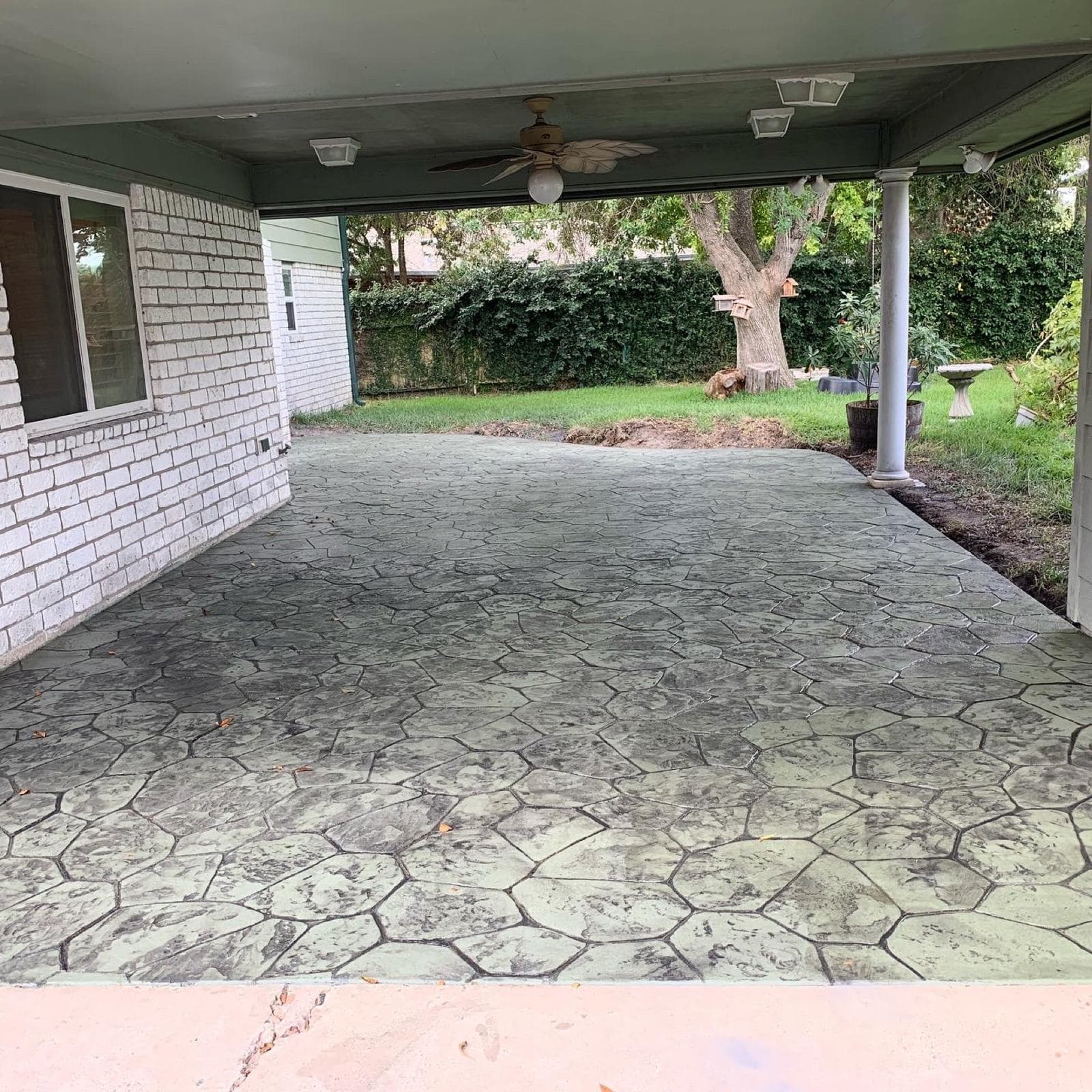
Random flagstone
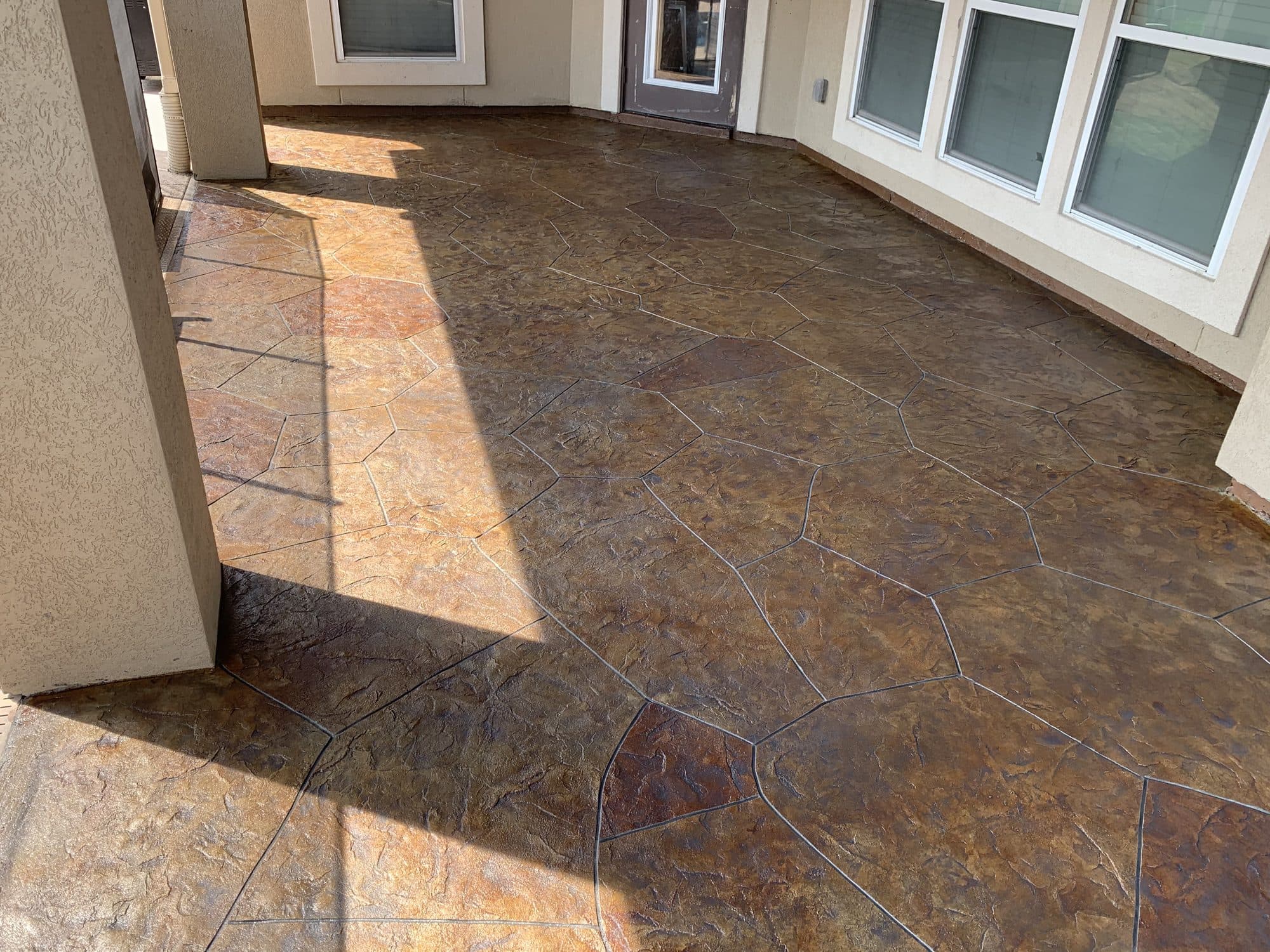
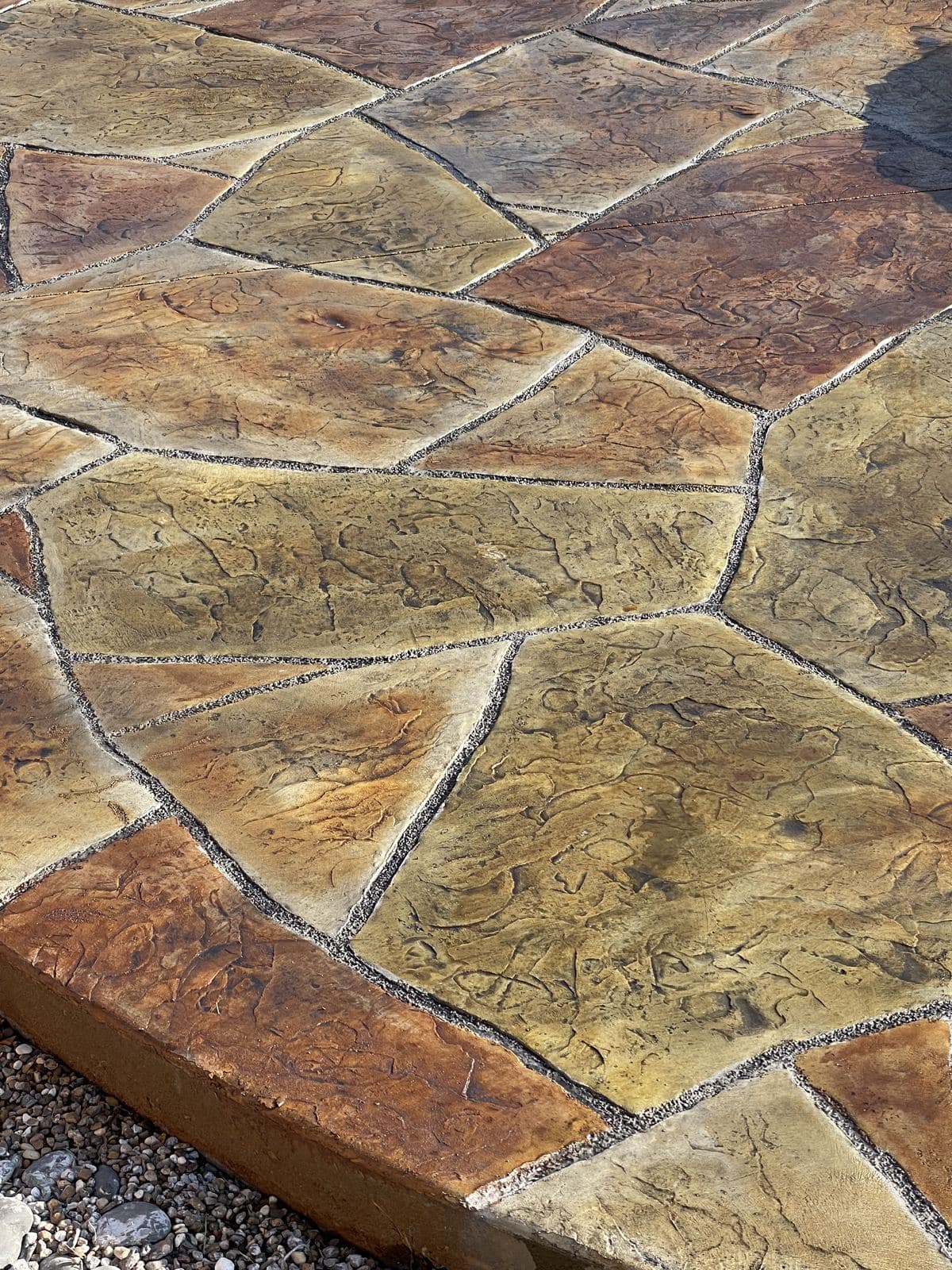
Irregular stones with hand-cut joints. Reads as natural rock; hides everyday wear better than any other pattern.
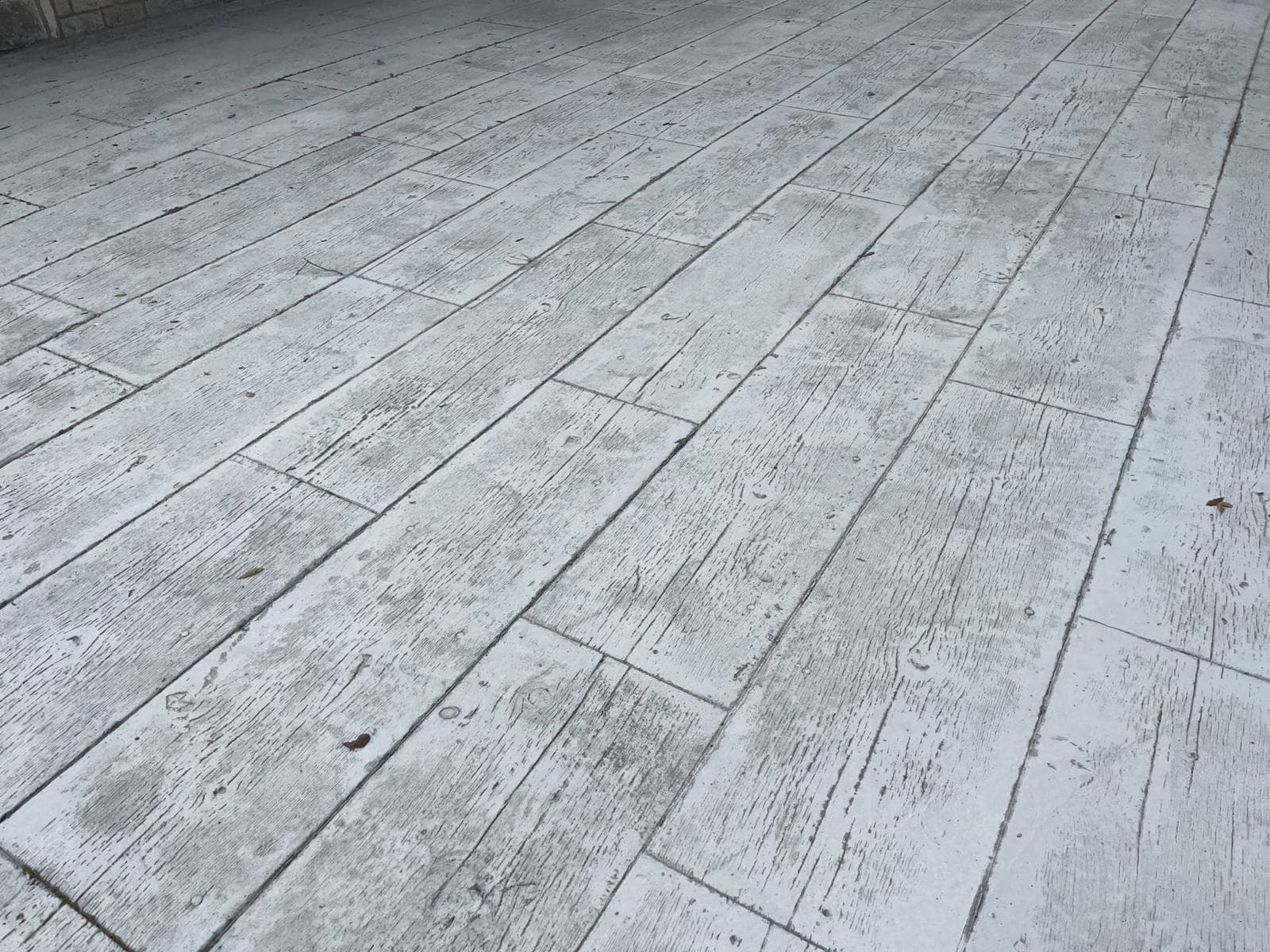
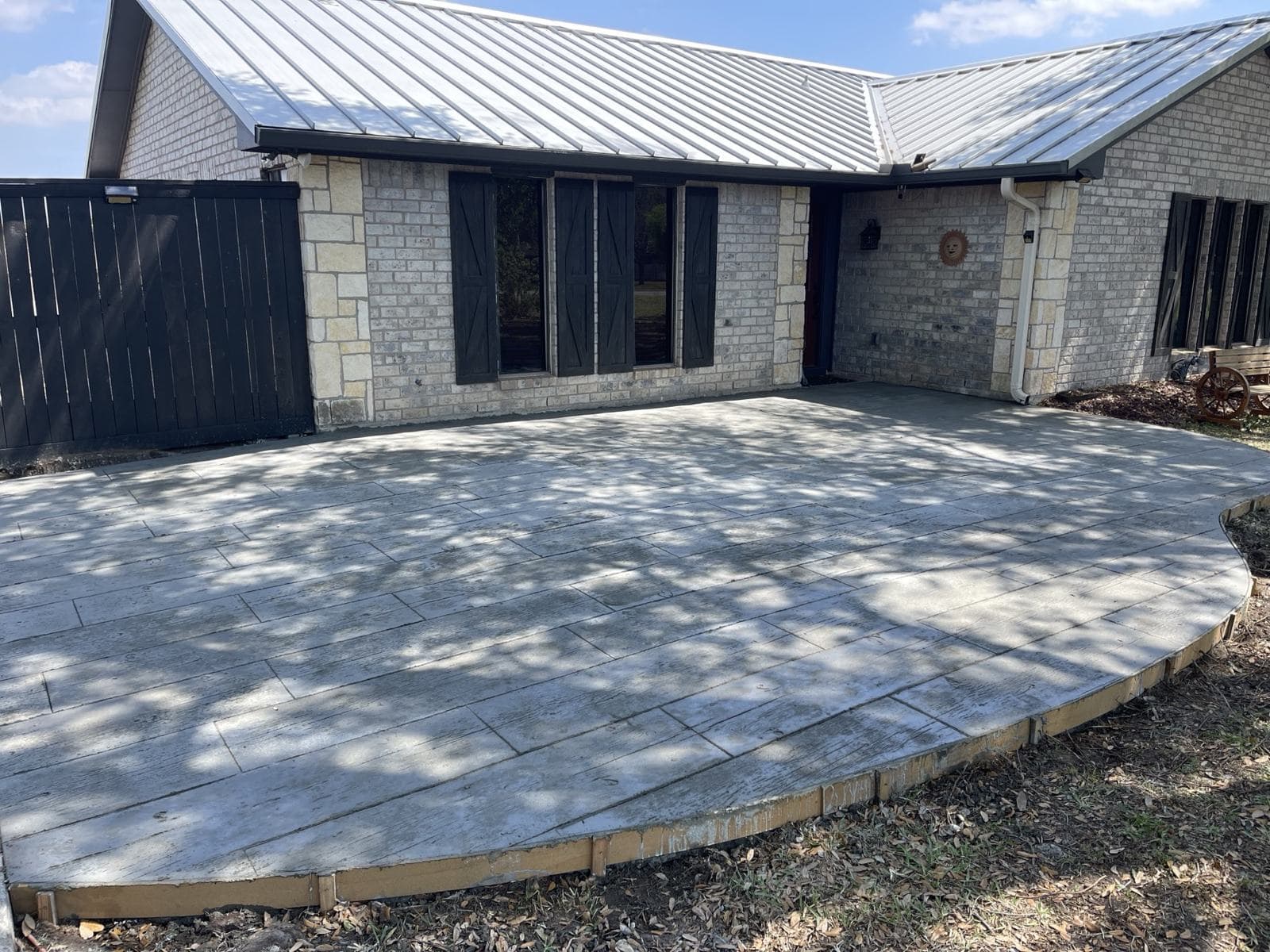
Wood plank
Board-by-board texture and grain. The deck look without the splinters, the rot or the annual staining.
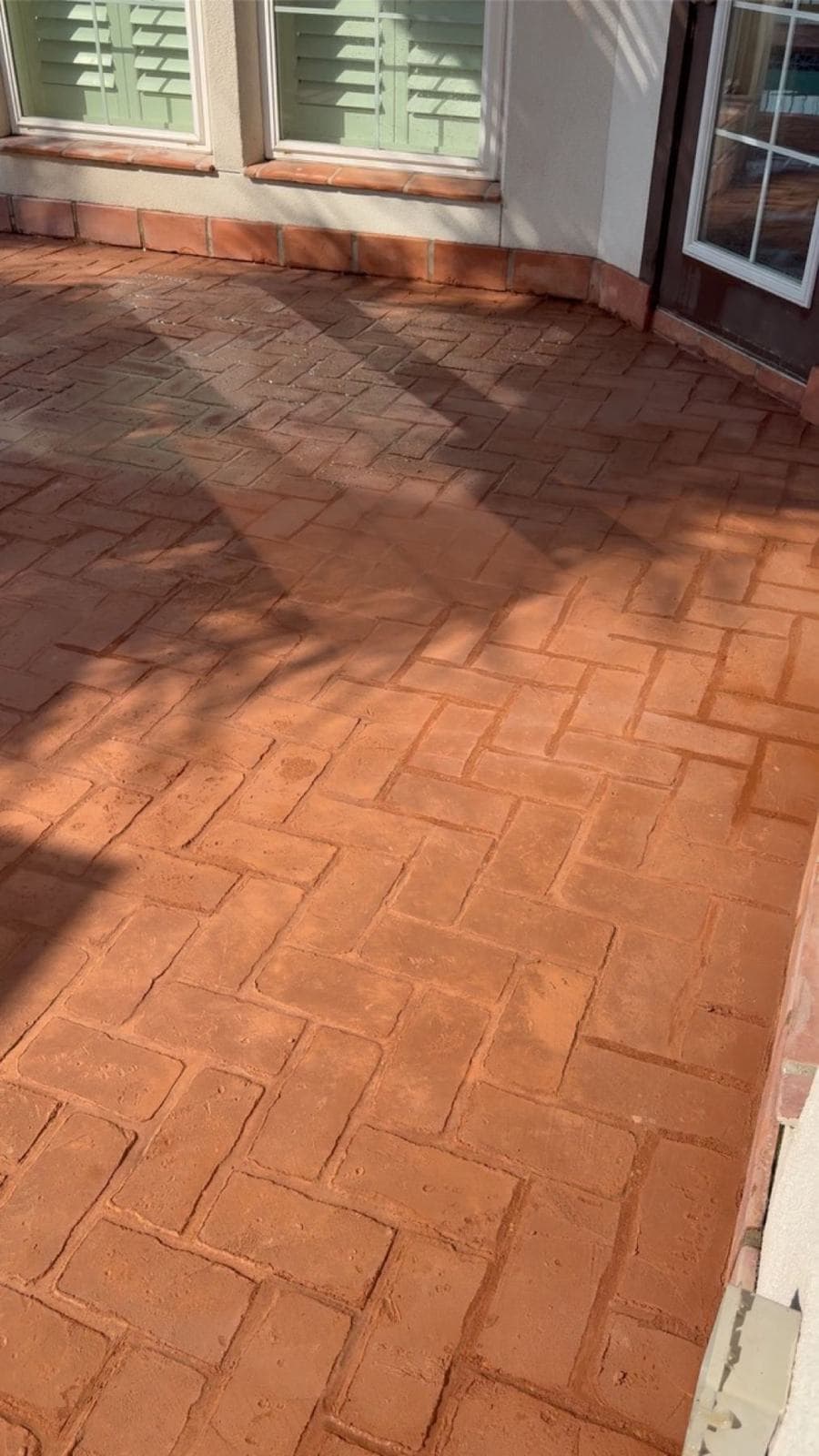
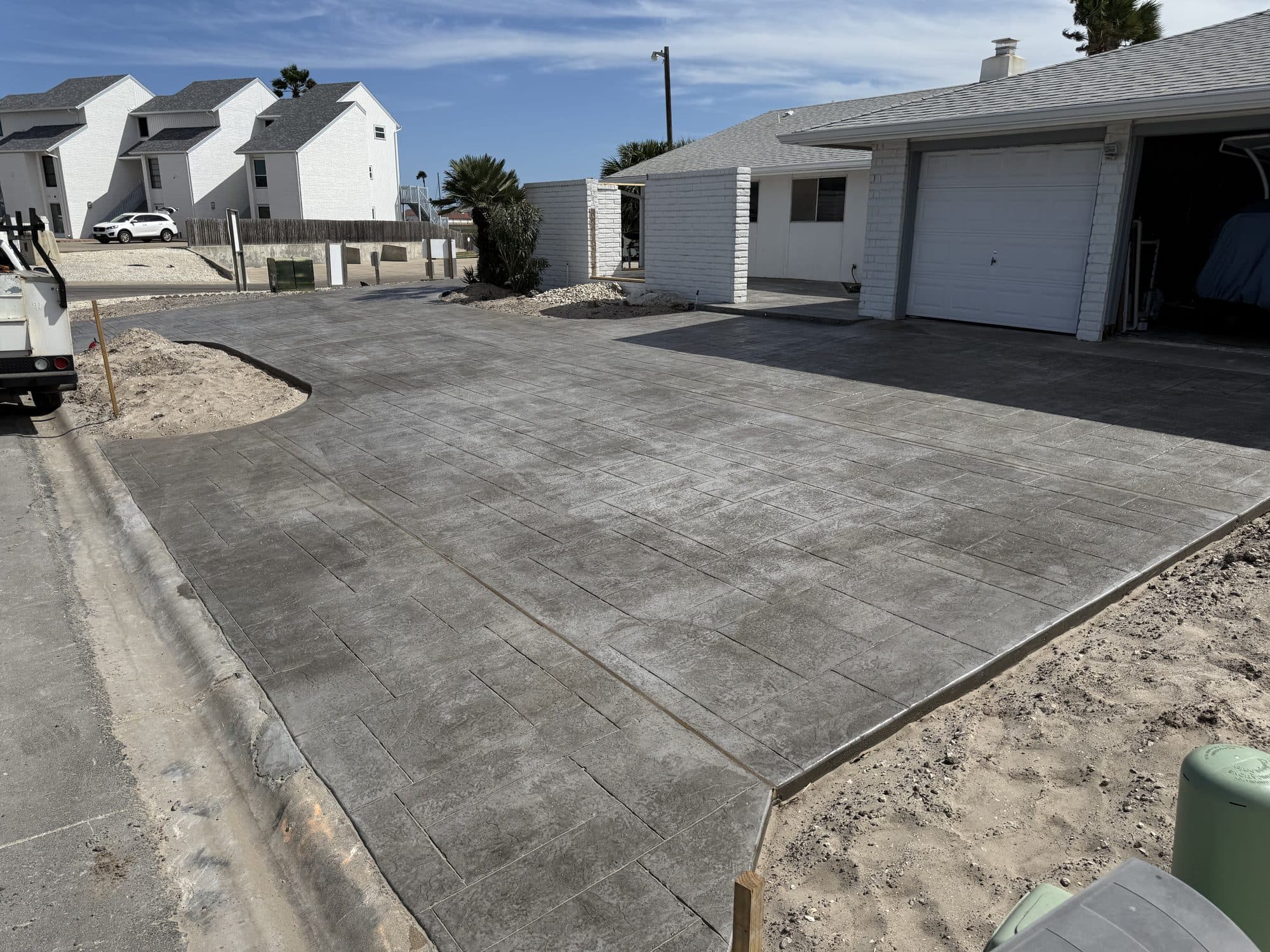
Brick and cobble
Running bond, herringbone or old-world cobble. Popular for driveways, borders and walkway edges.
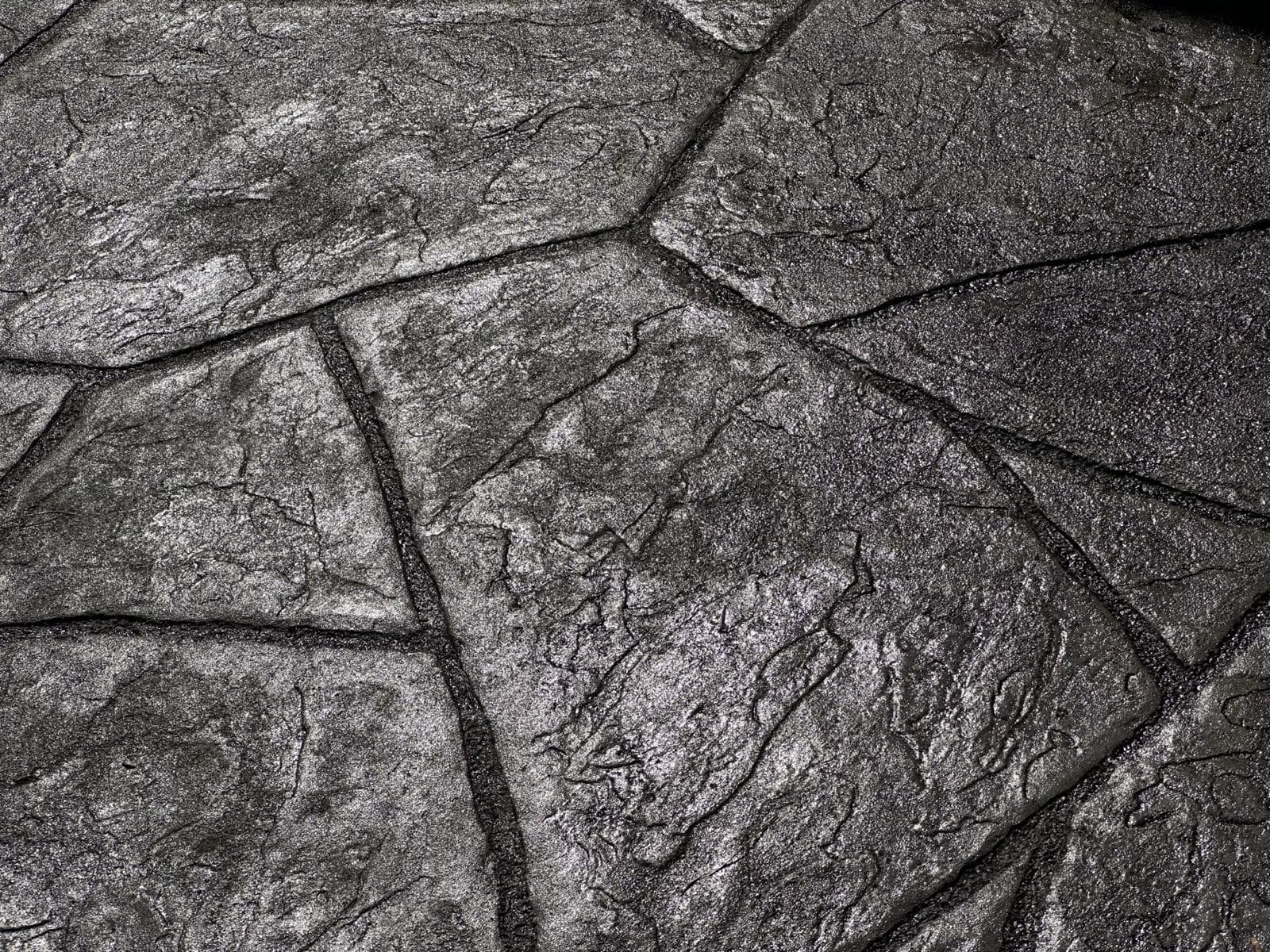
Large stone
Oversized slabs with wide joints — a modern, quieter texture that suits newer homes.
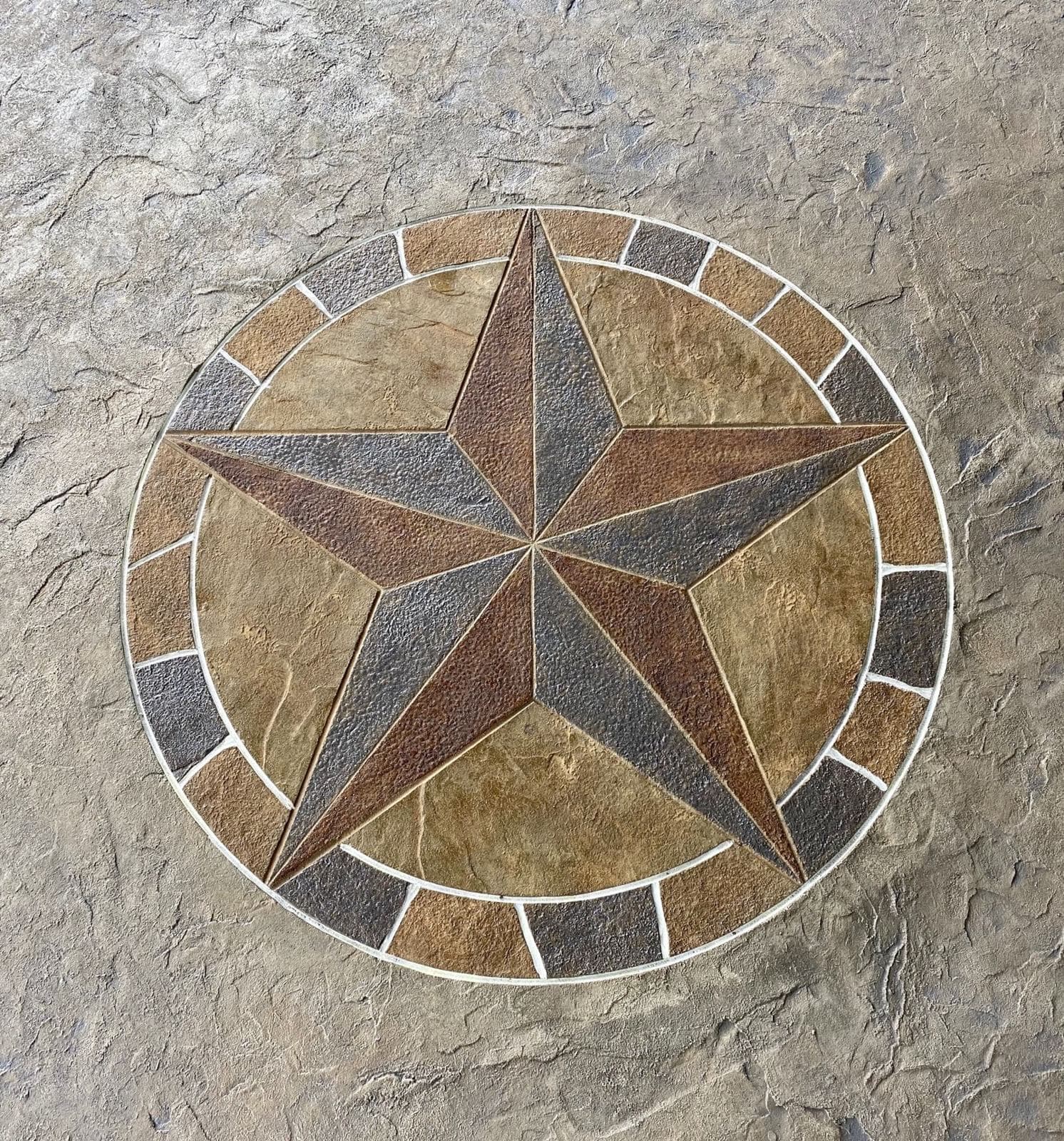
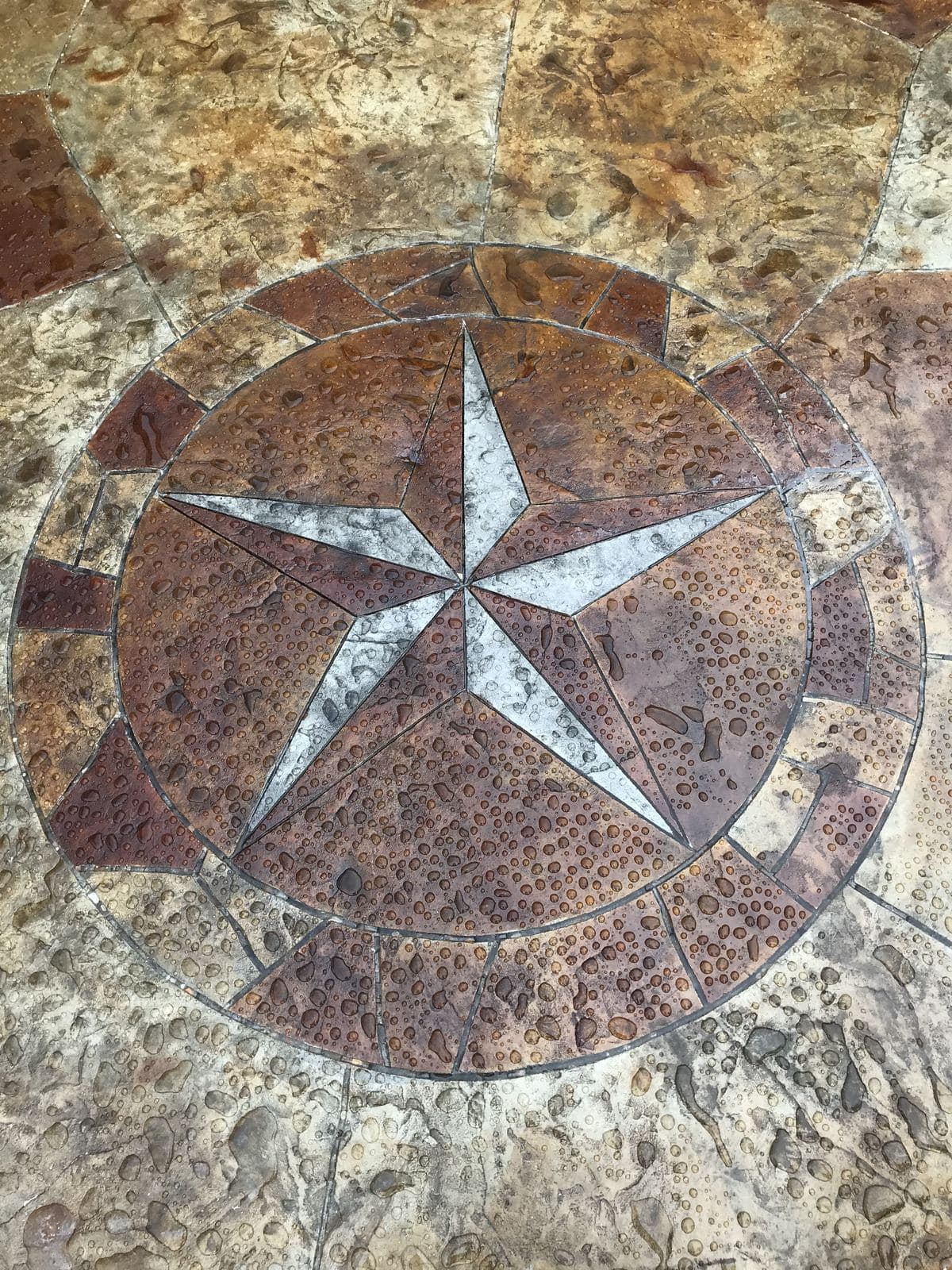
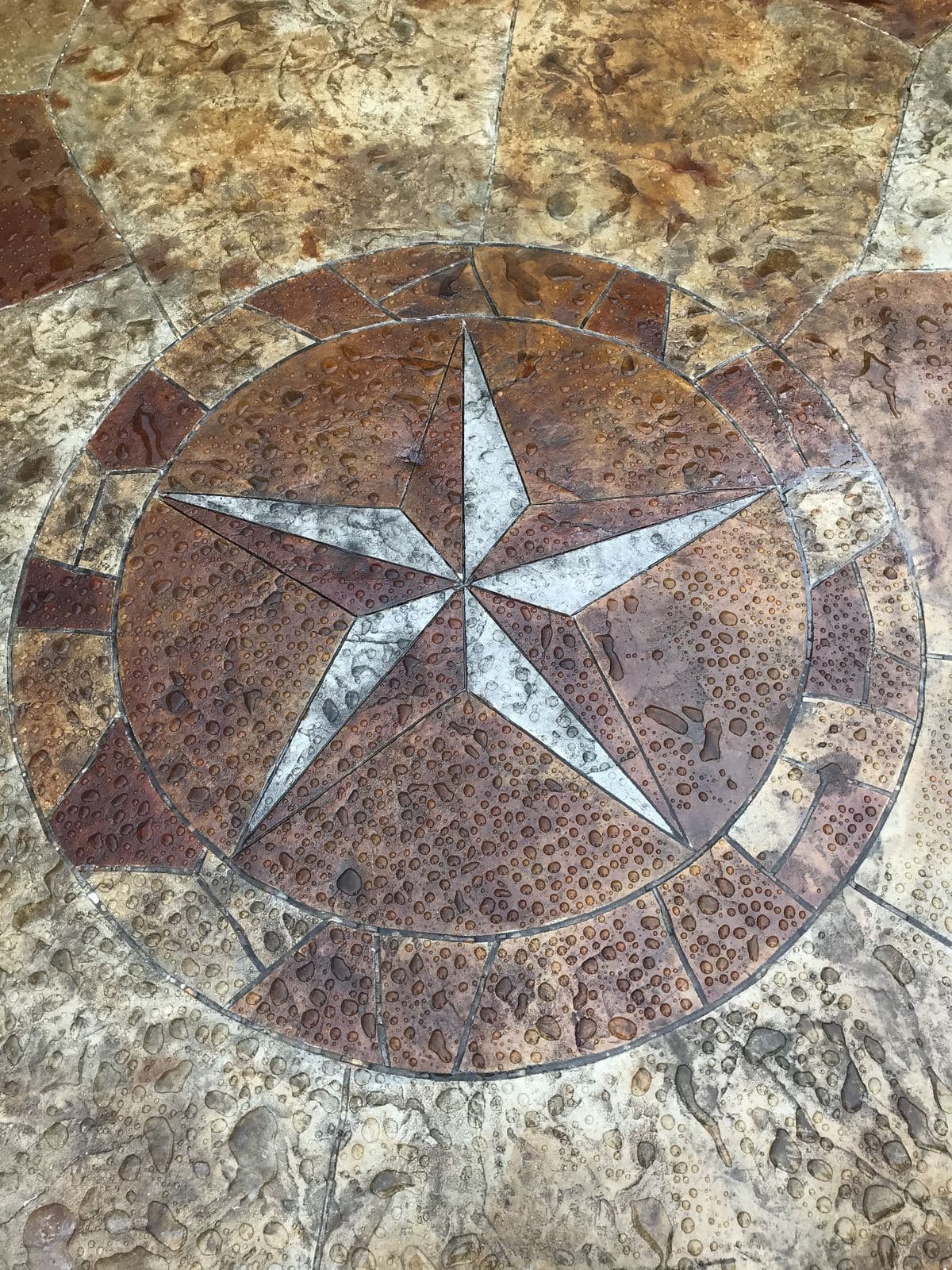
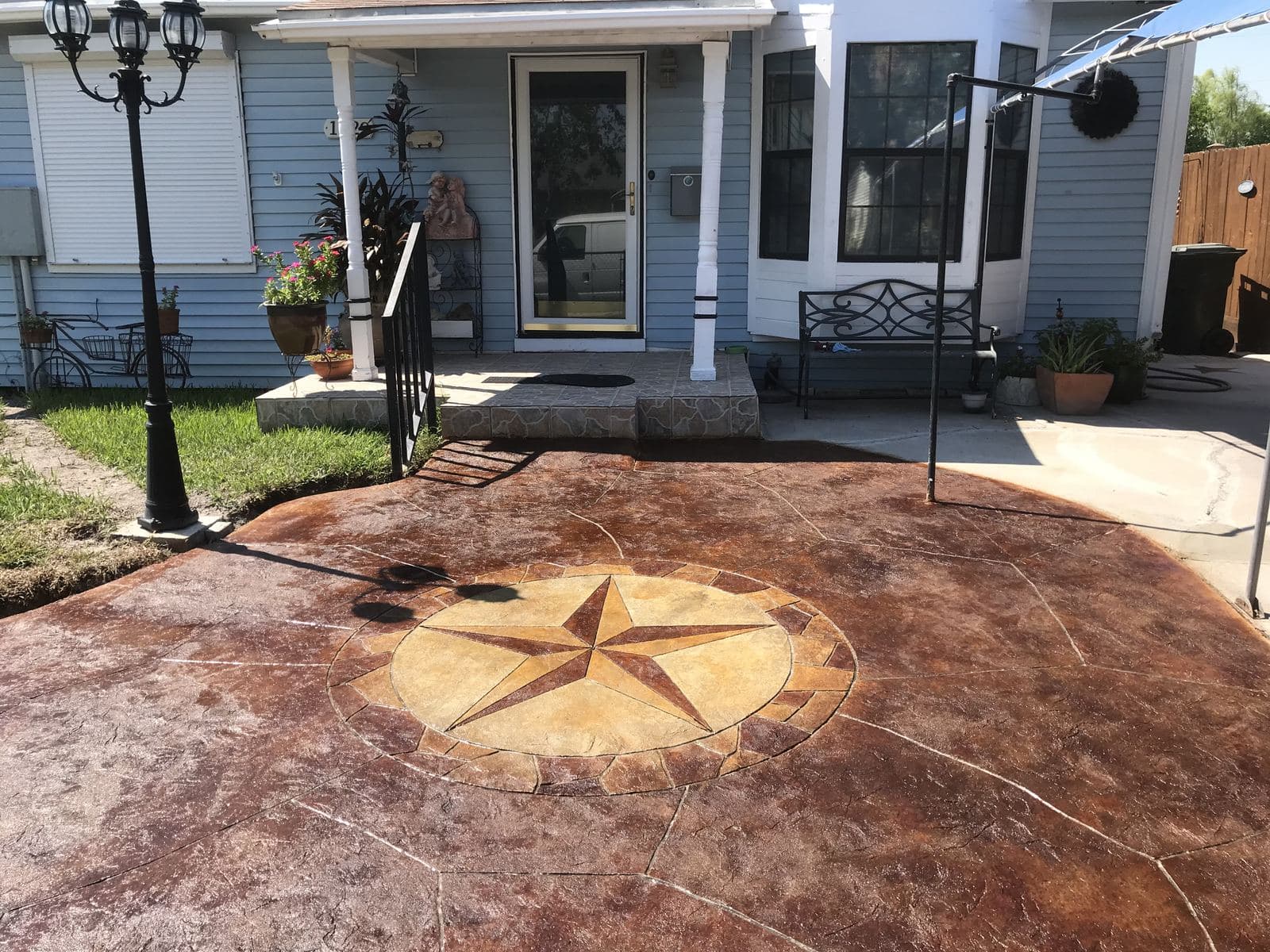
Medallions and borders
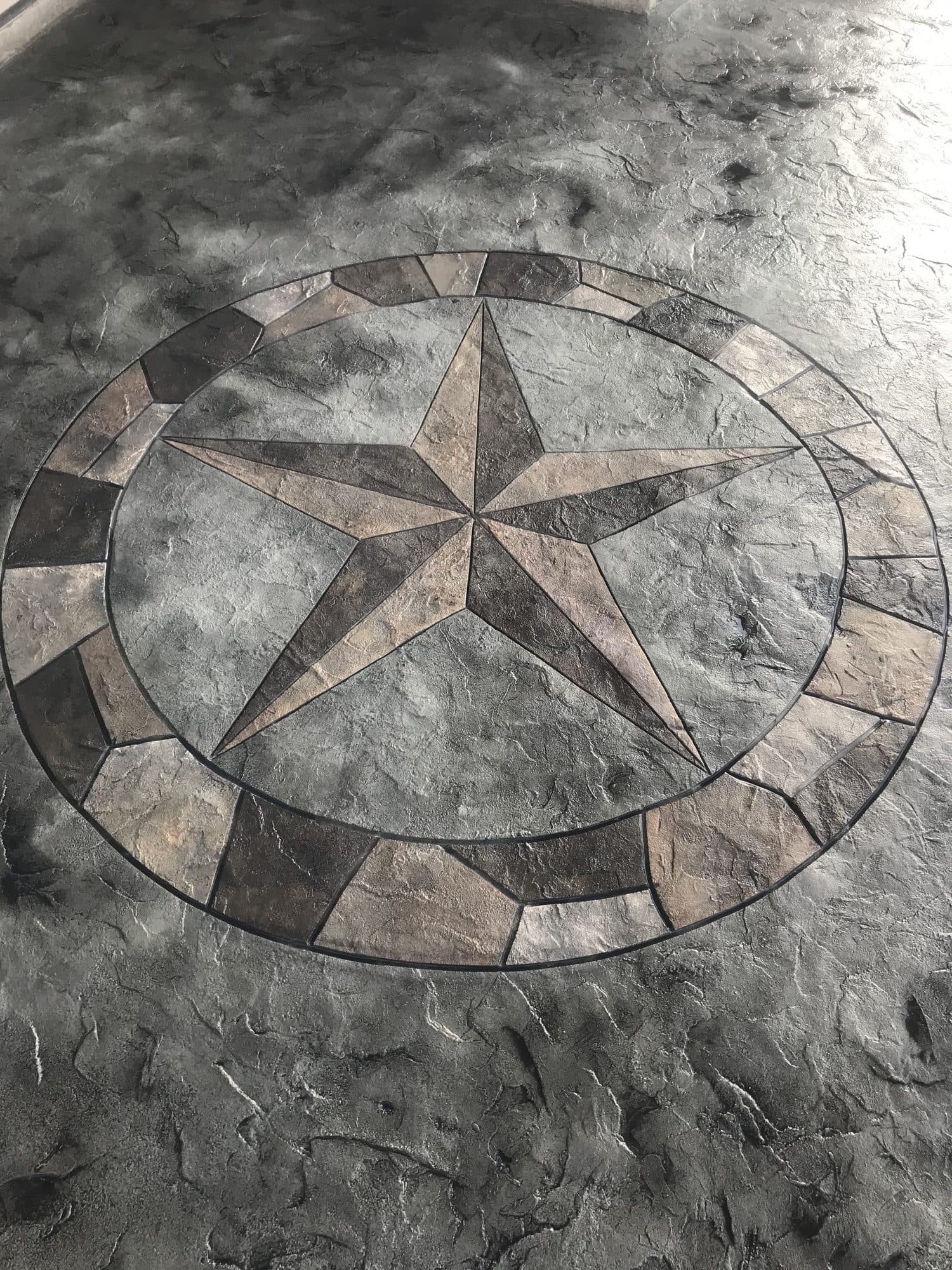
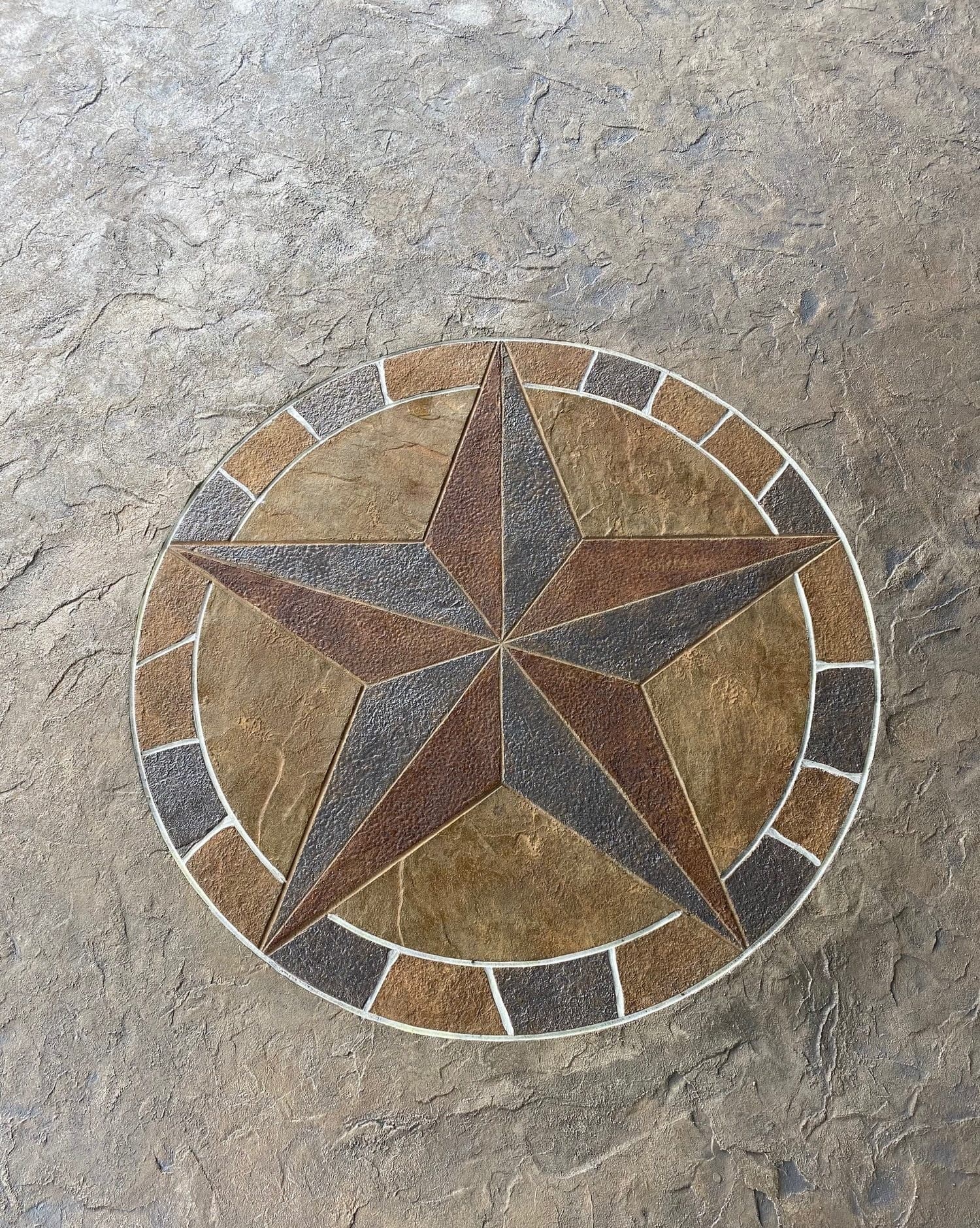
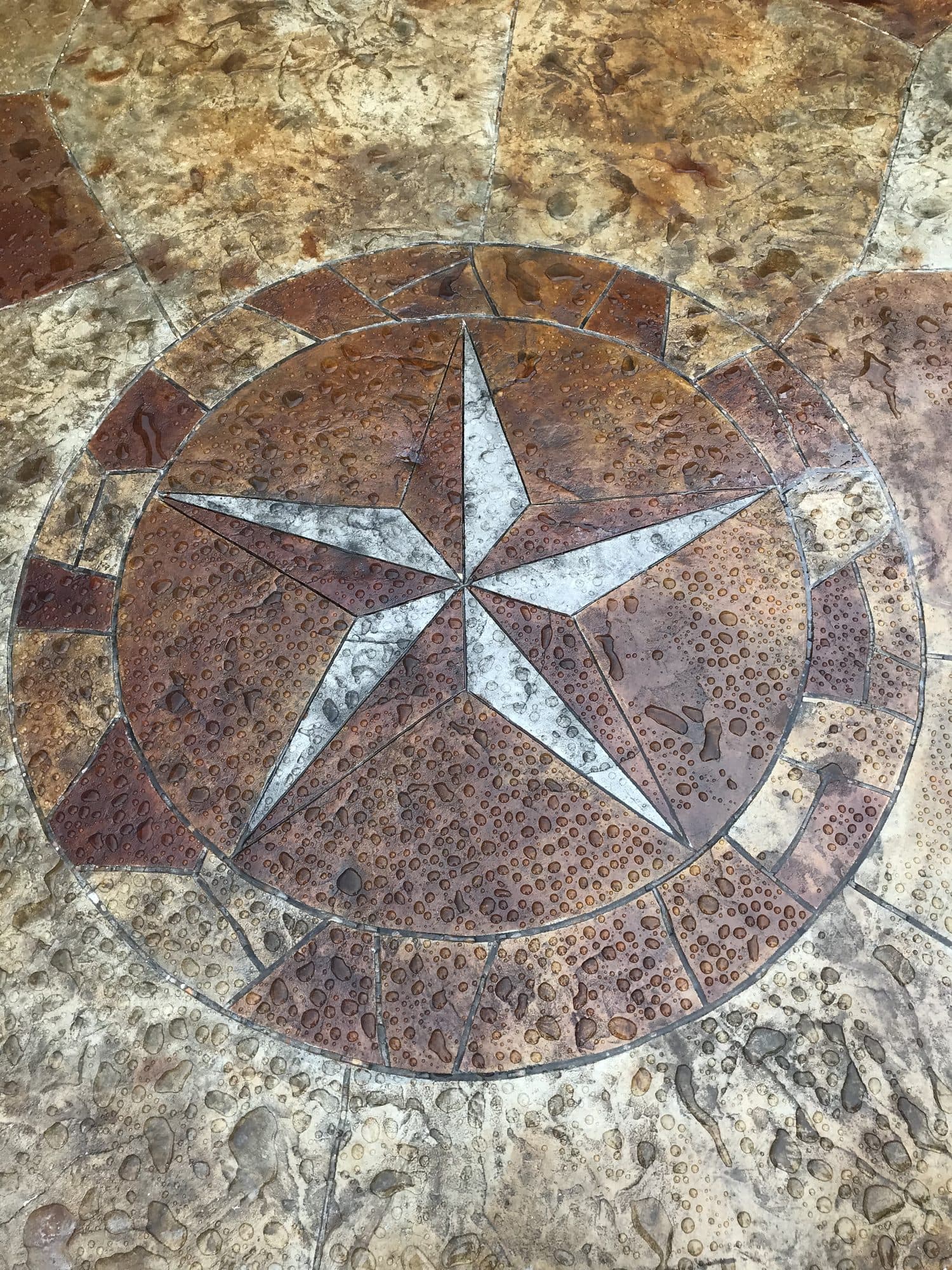
A Texas star, a compass, a contrasting border. Set into the pour, not glued on top.
How it goes
01
We measure and quote
We come out, measure the area, talk through patterns and colors, and leave you with one itemized, fixed price.
02
Form and prep
Tear-out if needed, then grade, base, forms and steel. This is the part nobody sees and the part that decides whether the slab lasts.
03
Pour and stamp
Concrete goes down, gets colored, then stamped by hand while it is still green. Timing is everything — this is a same-day, all-hands step.
04
Antique, wash and seal
Release and antiquing colors get washed off to reveal the grout lines, then the slab is sealed once it has cured.
05
Walk it with us
We walk the job with you before the final payment, clean up, and leave the care sheet.
What you pay, and when
One honest, fixed price, itemized in writing before we start. Half at signing and half at completion — no progress-payment ladder, no change-order surprises unless you ask us to change something. Keen work carries a one-year workmanship warranty; cracking, color variation and efflorescence are inherent to concrete and are excluded, and we say that up front rather than in the fine print.
Sealer
What goes on
Every stained and stamped slab we finish gets an EZ Chem solvent-based acrylic sealer at 25–30% solids. Solids is the part that stays behind once the solvent flashes off, so a higher-solids sealer leaves a thicker, longer-lasting film than the thin box-store product. Solvent-based rather than water-based because it bites into the concrete and carries the colour deeper, which is what gives a stained slab that wet, saturated look instead of a flat film sitting on top.
Non-slip, where it matters
Where the slab is going to be walked on wet — a pool deck, a shaded patio, steps — we add a non-slip additive to the sealer. It is broadcast into the coat rather than sprinkled on after, so it wears with the sealer instead of off it. If your slab will get wet, tell us and we will spec it that way; it is not an upcharge we spring on you later.
Re-sealing
Sealer is the part that wears, not the colour. On the Coastal Bend we generally look at re-sealing every two to three years, sooner on a slab that bakes in full sun all day or takes salt spray. Your care sheet gives the interval for your job, and we will come back and do it.
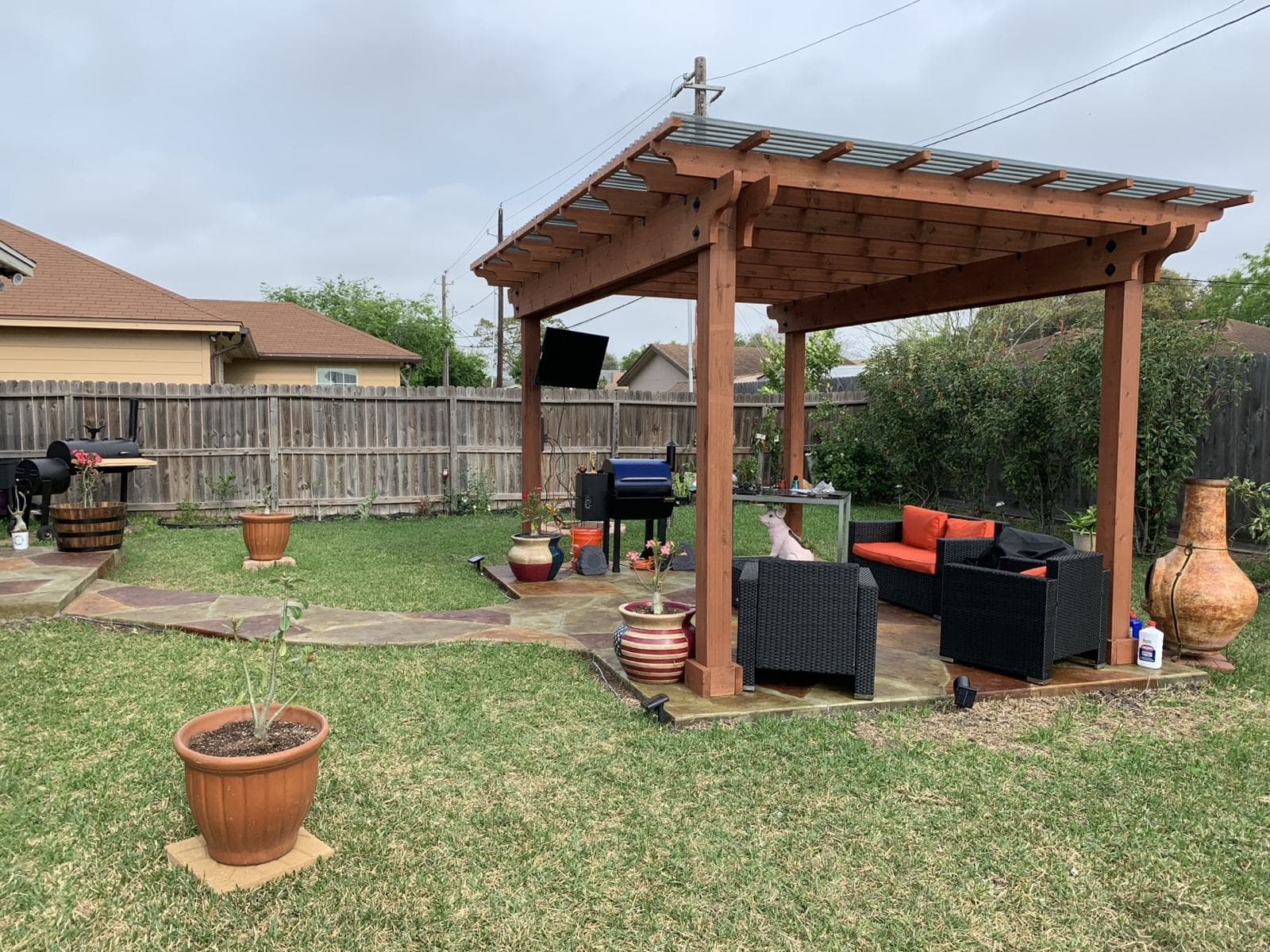
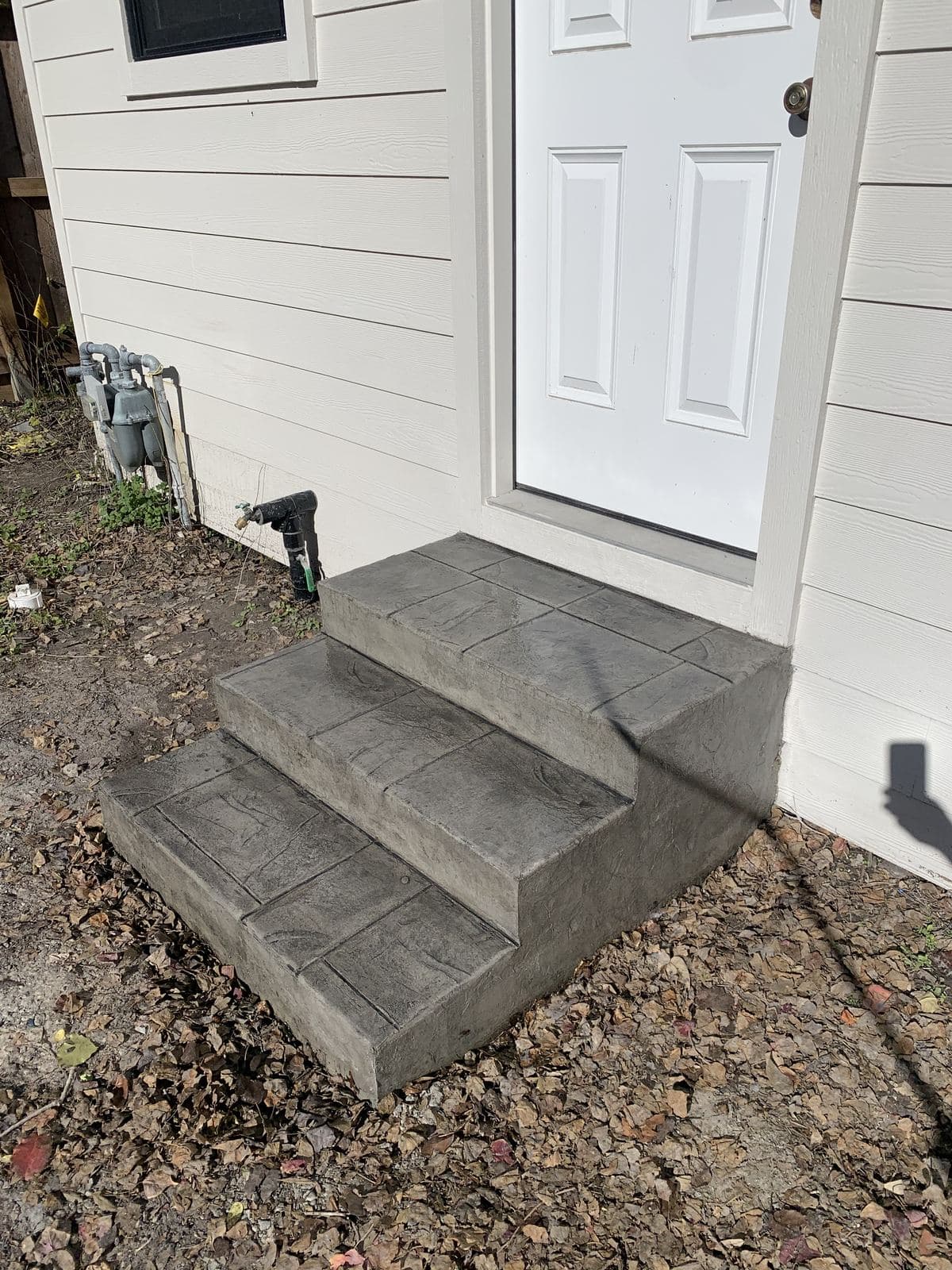
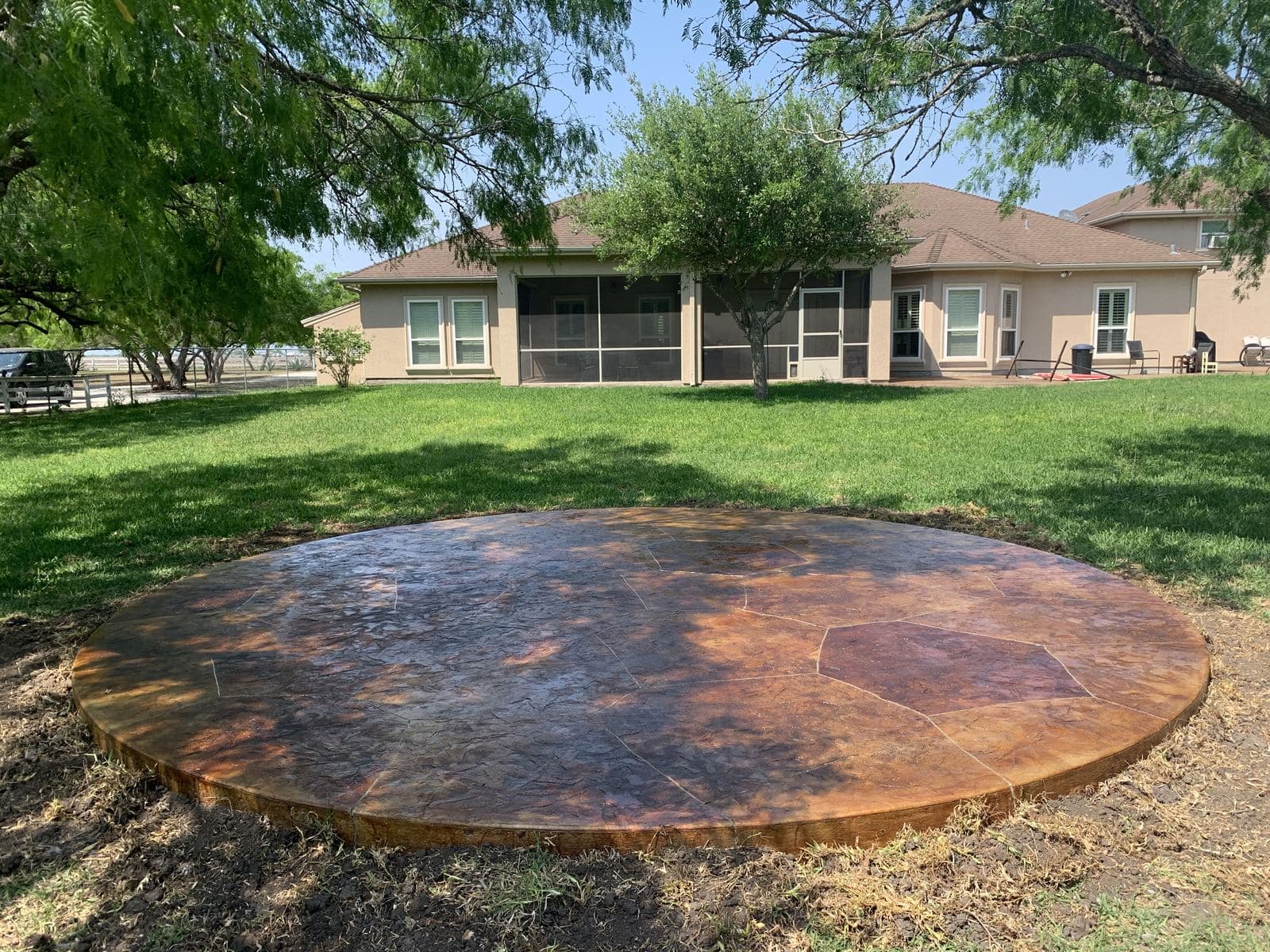
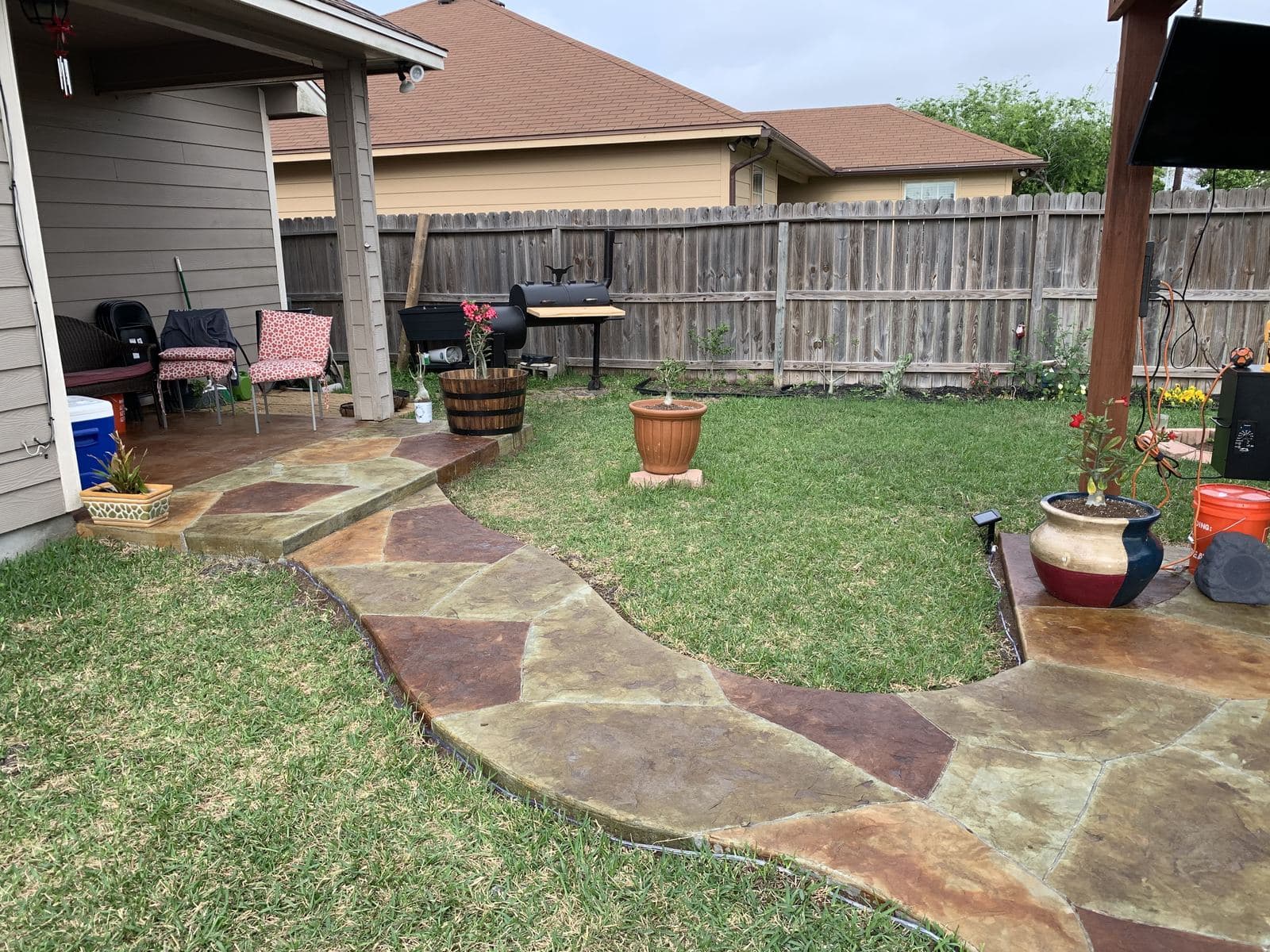
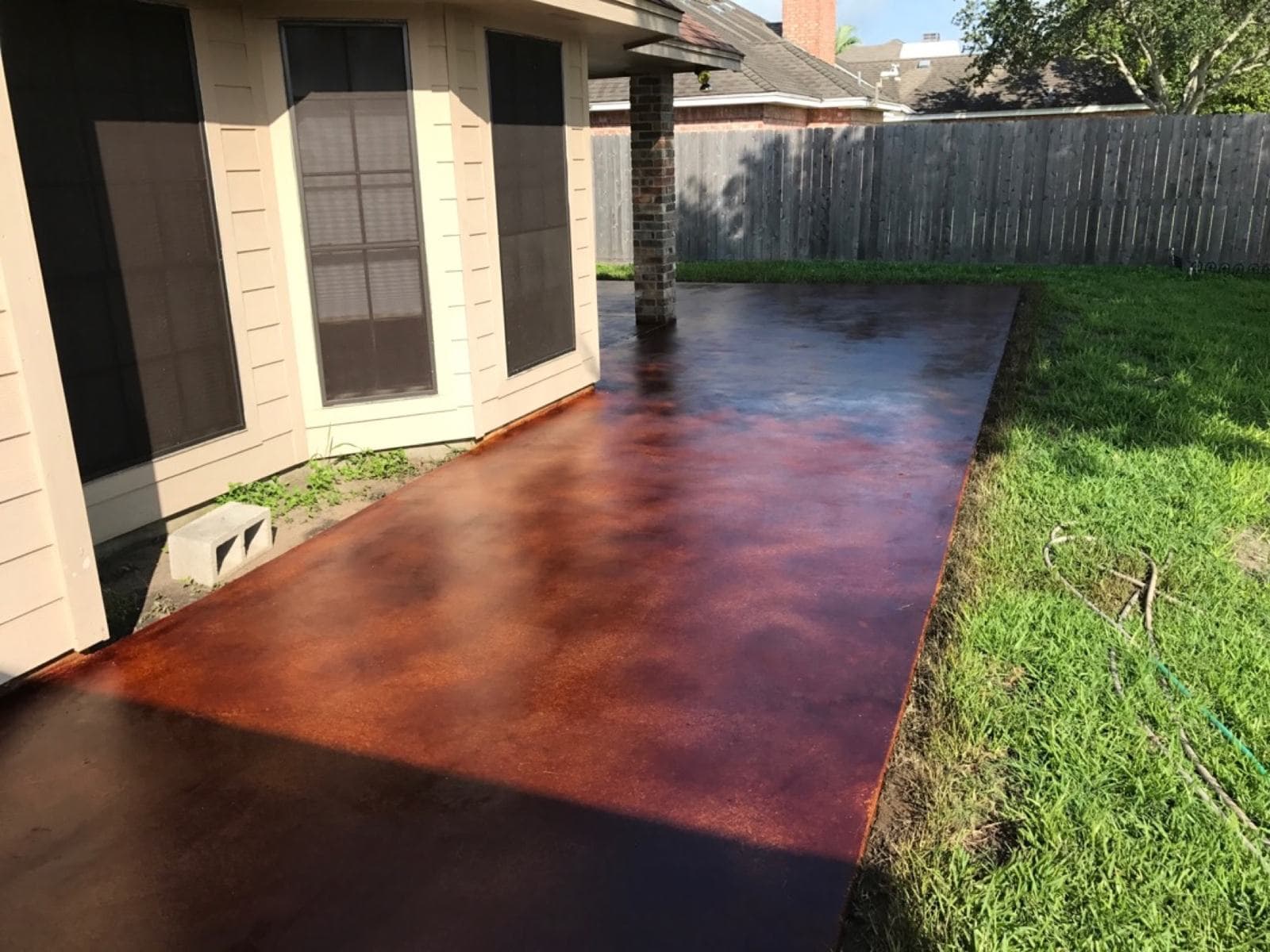
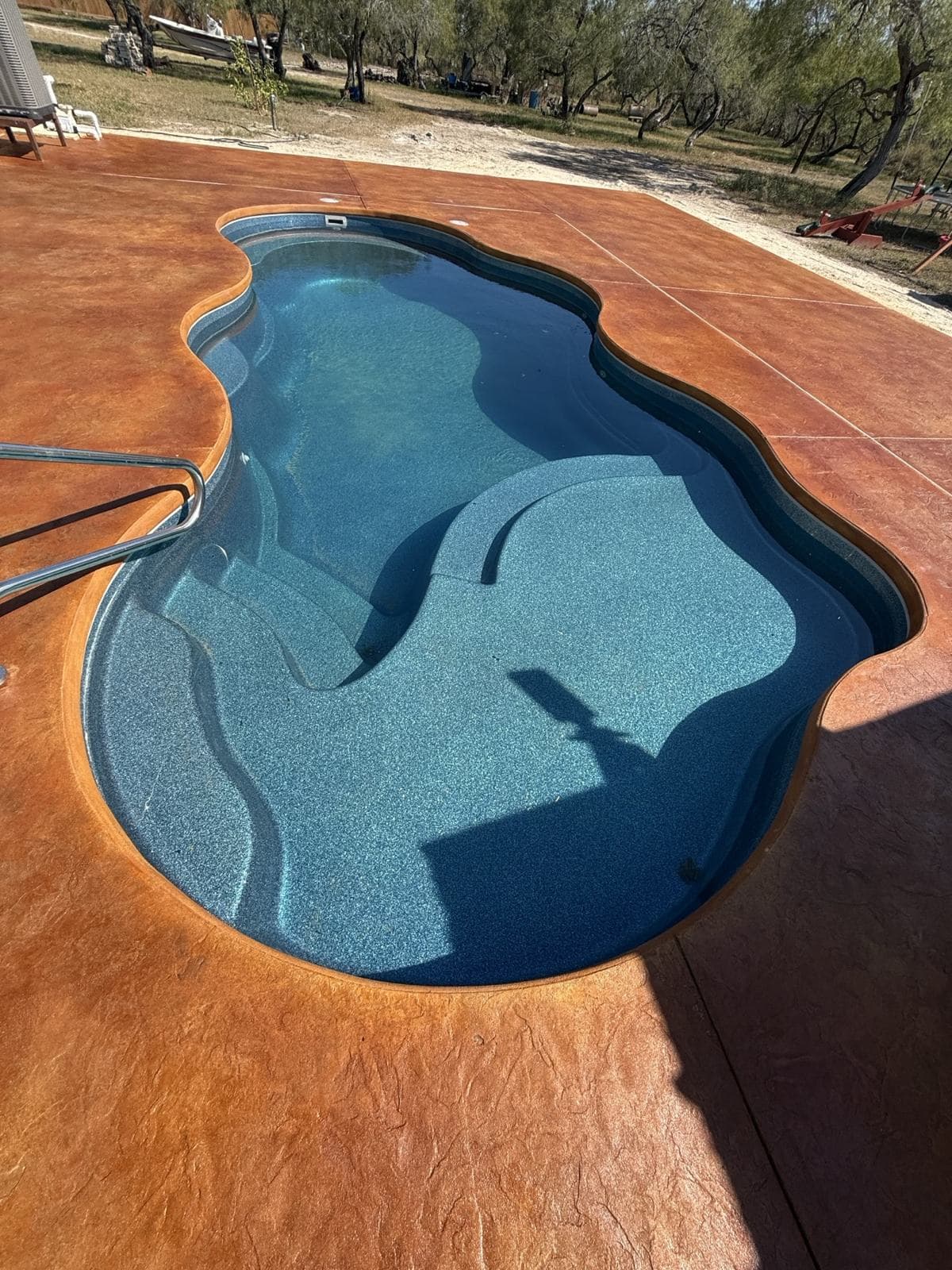
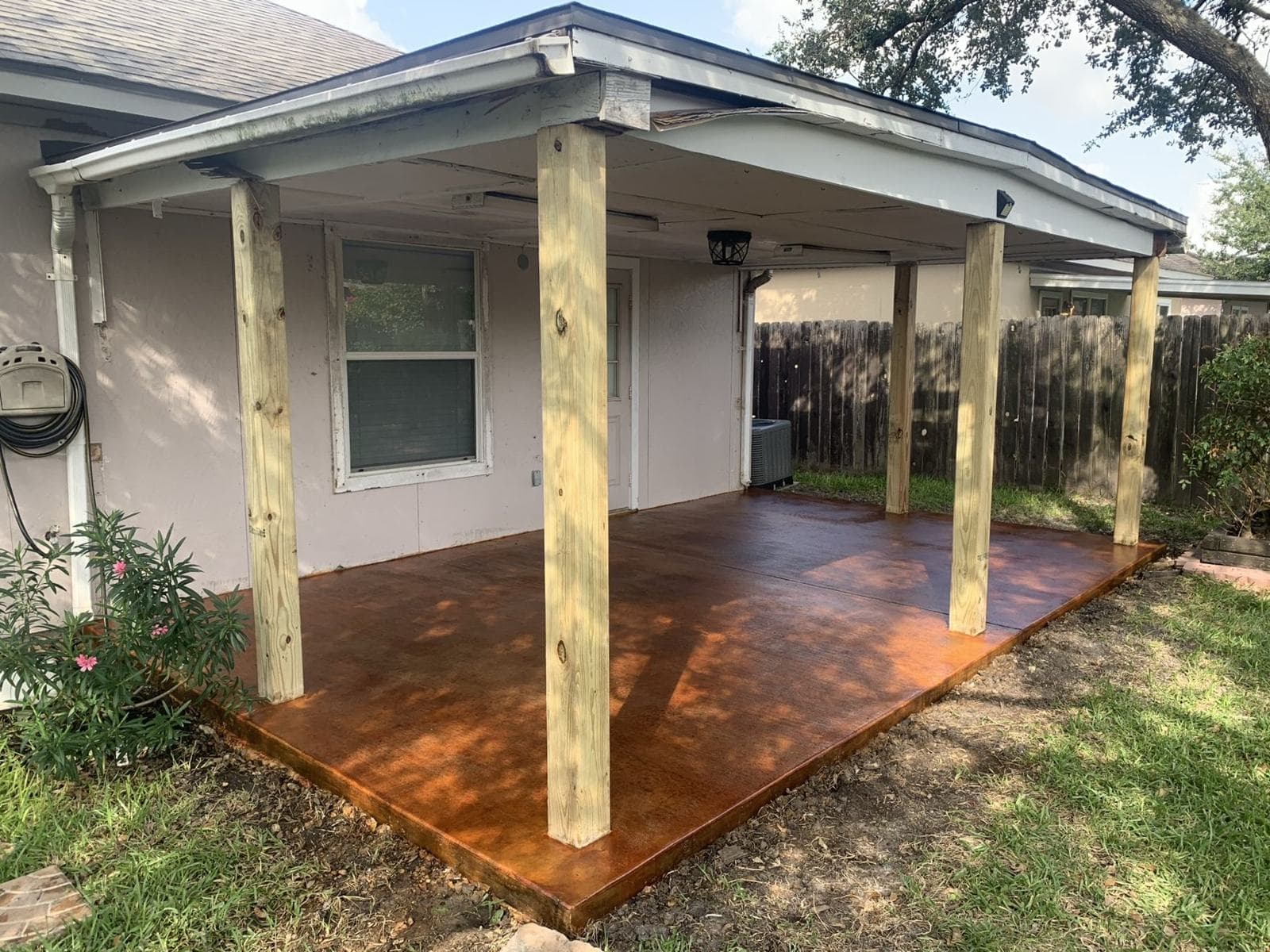
Recent stamped concrete work
Full gallery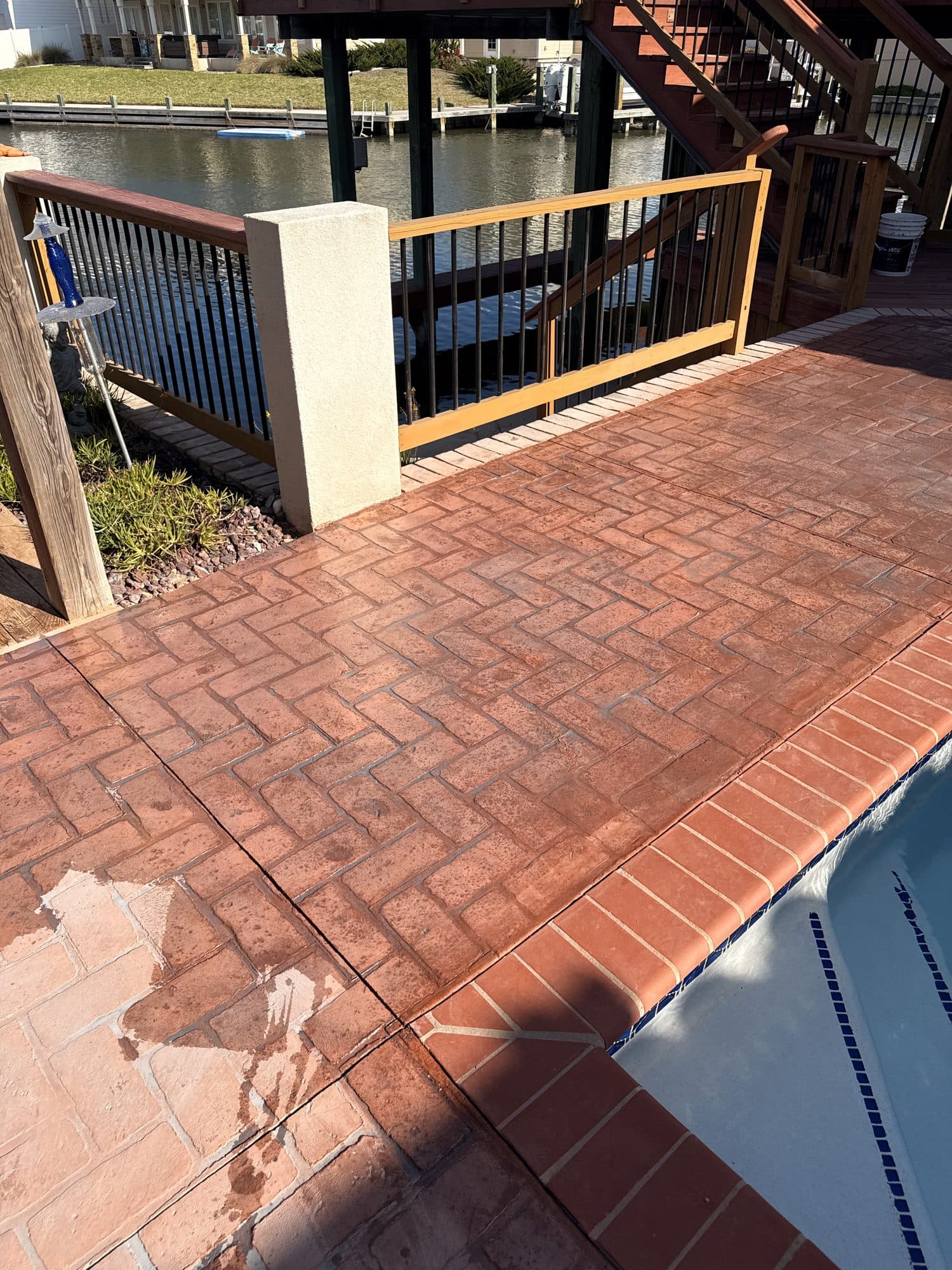
Take it with you
Stamped Concrete care sheet
One page on how to look after it, what will damage it, when to re-seal, and which bits of concrete behaviour are normal rather than a defect. We hand you this on the day; it is here so you can find it again in three years.
Questions
Straight answers, before you call.
How long does a stamped patio take?
Most residential patios are a two-to-four day job on site: prep and forms, the pour and stamp, then the wash and seal after it cures. Weather moves the schedule — we do not stamp in the rain, and we will tell you the day before if we need to slide.
Will it crack?
All concrete moves. We control where it moves with reinforcing steel, proper thickness and control joints cut into the slab, and we place those joints in the pattern so they read as grout lines. Hairline cracking and color variation are inherent to concrete and are not covered as defects — that is written plainly in our agreement rather than hidden in it.
Is it slippery around a pool?
It does not have to be. For pool decks and shaded patios we add a non-slip additive to the sealer, or use a texture and finish chosen for wet feet. Tell us the slab will get wet and we will spec it that way.
How do I take care of it?
Rinse it, keep it swept, and re-seal on the schedule on your care sheet — usually every two to three years here, sooner if the slab bakes in full sun all day. We can come back and re-seal it for you.
Financing
Financing available.
One short application, 30+ lenders competing, a decision in real time. Projects financed up to $200,000 — deposits and progress payments can also be made by card or bank transfer.
Tell us about your project and we'll come out, measure, and hand you an itemized quote — materials, timeline and total. The price on the paper is the price you pay.
Serving Corpus Christi, Rockport, Ingleside, Kingsville and the Coastal Bend.